Budapest in autumn: what to expect in September and October

Is autumn a good time to visit Budapest?
Autumn is arguably the best time to visit Budapest. September and October offer warm days, cool evenings, dramatically reduced crowds after summer, hotel prices 15–30% below peak, and the Hungarian wine harvest season at its most active. September may be the single best month of the year — summer heat is gone, Sziget is over, and the city feels genuinely alive without being overwhelmed.
Budapest in autumn: the best-kept seasonal secret
Experienced Budapest visitors often pick autumn as their preferred time. The reasoning is straightforward: the summer heat is gone, the summer crowds have thinned, hotels are cheaper than they were six weeks earlier, and the wine harvest makes the bars and restaurants particularly good. September specifically is a month where the city delivers almost everything — warmth, life, atmosphere — without the complications of peak season.
This guide covers September, October, and early November, with honest month-by-month assessments.
| Best month | September |
| Weather | 17–24°C (Sept), 10–20°C (Oct) |
| Crowds | 30–40% below summer peak |
| Hotel prices | 15–30% below August |
| Signature activity | Wine harvest day trips to Eger/Tokaj |
Autumn month by month at a glance
| Month | Temp | Crowds | Prices | Best for |
|---|---|---|---|---|
| September | 17–24°C | Low, thinning fast | 15–20% below August | Everything — the strongest all-round month |
| Early October | 15–20°C | Low | 20–30% below summer | Wine harvest, outdoor baths |
| Late October | 10–15°C | Very low | Lowest of the year | Cosy walks, early winter bath feel |
| November | 4–12°C | Low, rising with markets | Rising from mid-month | Christmas market opening |
Month by month
September
September is Budapest at its most liveable. Average temperatures 17–24°C, with warm days and pleasant evenings around 10–14°C. The Sziget Festival ended in mid-August, and the city’s first post-summer breath is visible: hotel availability opens up, restaurants are easier to get into, and the streets feel less saturated with visitors.
Why September works:
- Full range of summer activities still running: outdoor baths, Danube cruises, open terraces, day trips
- Crowd levels 30–40% below July–August at most attractions
- Hotel prices dropping from summer peaks — typically 15–20% less than August
- Wine harvest season beginning: wine bars receiving new Hungarian vintages, harvest events in Eger and Tokaj
- Long evenings still available (sunset around 19:30 in early September)
September events:
- Budapest Design Week: the city’s major contemporary design event, centred on venues across Districts V–VIII
- Jewish Cultural Festival (dates vary — check the Budapest Jewish Festival website)
- Various food festivals and outdoor markets running through the month
- Hungarian wine harvest festivals in Eger (Bikavér wine), Badacsony (Balaton wines), and preparations in Tokaj for the aszú grape selection
Verdict: The strongest case for September as the best month to visit Budapest. Almost everything is at a favourable level simultaneously.
October
October splits into two halves. Early October continues the September conditions — warm enough for outdoor terraces and outdoor baths, manageable crowds. This is sometimes called “Indian summer” (vénasszonyok nyara — “old women’s summer”) in Hungarian, referring to the warm dry days that extend through mid-October.
From mid-to-late October, temperatures begin falling toward winter levels: 10–15°C by day, 5–8°C at night. Evening outdoor dining becomes less comfortable; people move inside. The Széchenyi outdoor pool is still open but the experience is shifting toward the cooler-air/warm-water contrast that characterizes winter baths.
October highlights:
- Tokaj harvest: the Tokaj wine region’s aszú (botrytised) grape selection typically happens in October — a day trip to Tokaj in harvest season is one of the great Hungarian experiences. See /guides/tokaj-wine-day-trip/
- Eger wine: Bikavér harvest festivals, winery visits, and cooler weather make Eger particularly enjoyable in October. See /guides/eger-day-trip/
- The Danube corridor: day trips to Szentendre and the Danube Bend are beautiful in autumn colour. See /guides/danube-bend-day-trip/
- Lower hotel prices: October is typically 20–30% below summer rates in central Budapest
Verdict: Strong first two weeks; winding down in the second half. Still a good month, particularly for wine and day-trip enthusiasts. Pack a warm layer from mid-October.
November
November is transition. The first two weeks are autumn proper — cool, often grey, but manageable. From mid-November, two things happen simultaneously: temperatures drop toward winter (5–10°C), and the Christmas markets open. The Christmas market opening transforms November’s character entirely.
See /guides/budapest-christmas-markets/ for the full Christmas market guide. See /guides/budapest-in-winter/ for the full winter picture.
Choosing your dates within autumn
If you can only spare a long weekend, aim for September or the first half of October, when the city still behaves like a warm-season destination. A weekend break itinerary fits neatly into that window: one day for the Castle District and the river, one for the baths and a cruise, and an unhurried evening in a wine bar. With more time, a three-day plan lets you leave room for weather, which is the one thing autumn does not guarantee. Visitors who want the classic sights without rushing can lean on the first-timer highlights itinerary, and those with a full week can combine the city with excursions using the Budapest and day trips week.
If you are travelling in the last days of autumn and the Christmas season is part of the appeal, the winter and Christmas three-day itinerary is a better template than a September-style plan. The mood changes quickly once the markets open, and it helps to decide early which version of Budapest you are coming for.
Autumn activities
Thermal baths
September and October are excellent for the thermal baths — arguably the best time of year for outdoor pool visits. The outdoor Széchenyi pool is warm (38°C) while the air is pleasantly cool rather than cold. Crowds are significantly lower than July–August.
Book Széchenyi day tickets online — walk-up is usually fine in September–October (shorter queues than summer) but online booking guarantees a locker and a specific start time. See /guides/szechenyi-baths-guide/ for the full guide.
By late October and November, the outdoor-in-cold experience of the winter baths begins. See /guides/outdoor-baths-in-winter/ for that specific experience.
Autumn is also a sensible moment to compare the major bathhouses rather than defaulting to the best-known one. The Széchenyi vs Gellért vs Rudas comparison sets out how they differ in atmosphere, and the Rudas baths guide and Lukács baths guide cover two quieter alternatives that suit cooler days well. Our overview of the best thermal baths is the place to start if you are unsure. First-timers should read the thermal bath etiquette guide and the notes on common bath ticket mistakes before queuing, since the rules are the same whatever the season. For a calmer pairing, the best baths for couples suits an autumn evening.
Danube cruises in autumn
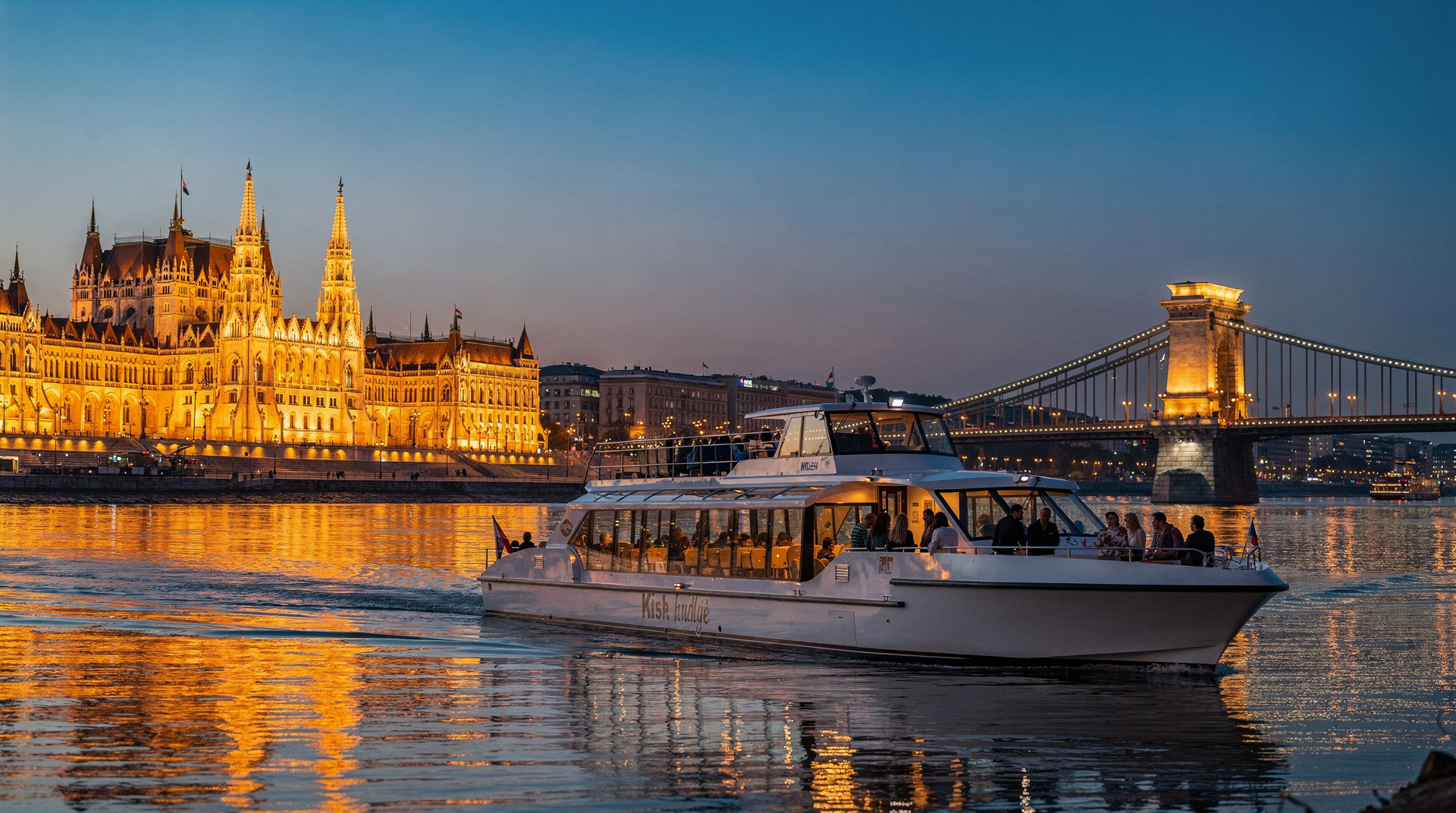
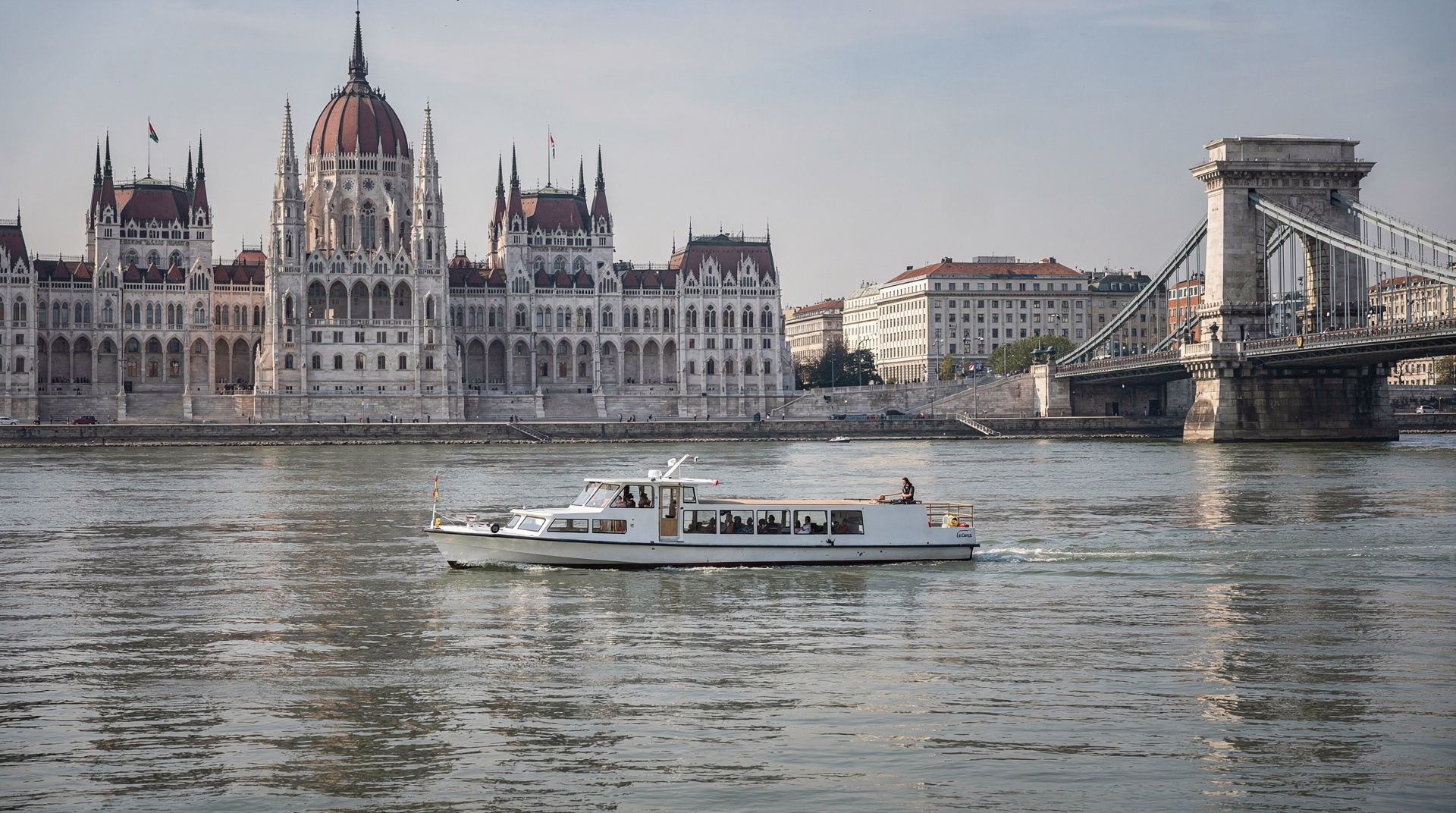
The sunset cocktail cruise runs through the summer season — check operational dates in late October and November, as cruises transition to dinner format. September sunset cruises are particularly beautiful: the golden evening light, lower tourist volumes, and warm temperatures make the September Danube one of the year’s most atmospheric river experiences.
The dinner cruise with folk show operates year-round and is excellent in autumn evenings — cooler weather makes the heated cabin comfortable and the illuminated Parliament is as dramatic in October as in August. See /guides/dinner-cruises-budapest/.
Wine and food
Autumn is when Budapest’s wine bar scene is at its most rewarding. The wine bars near St Stephen’s Basilica (Divino, WineTime) and in the Jewish Quarter (Doblo) receive new Hungarian vintages from the harvest regions in September–October.
Day trip to Eger: The Baroque city of Eger, two hours by train from Budapest, is the centre of Egri Bikavér (Bull’s Blood) wine production. Autumn is the harvest season — the famous Szépasszony-völgy (Valley of Beautiful Women), lined with wine cellars, is particularly atmospheric in October when the harvest is recent. See /guides/eger-day-trip/ and /guides/eger-bull-blood-egri-bikaver/.
Day trip to Tokaj: Tokaj aszú wine is made from grapes selected after botrytis fungus develops — a harvest process unique to the region and typically running in October. A day trip to Tokaj in harvest season gives access to winery visits, tastings of fresh vintage, and the extraordinary landscape of the Zemplén hills. See /guides/tokaj-wine-day-trip/ and /guides/tokaj-wine-region-guide/.
Hungarian wine tastings in Budapest: Wine tasting sessions in the city are available year-round, but autumn’s arrival of new vintages gives the wine bar discussions particular depth. See /guides/wine-tastings-budapest/ for Budapest-based options.
If you are new to Hungarian wine: it helps to know the regions before you start tasting. The Hungarian wine guide explains the main styles, and the Eger Bull’s Blood guide covers the red blend the region is known for. Anyone who prefers to book a guided session can look at a tasting paired with cheese and charcuterie, which keeps the evening relaxed and food-led.
Beyond wine: autumn is a good season for stronger and more comforting Hungarian flavours. The pálinka guide introduces the fruit brandy, while the traditional Hungarian dishes guide and the notes on chimney cake suit a cool afternoon. For a longer menu of places to book, see the best restaurants in Budapest and the coffee houses guide, since a warm café is a fine refuge when an October shower arrives.
Walking and outdoor sights
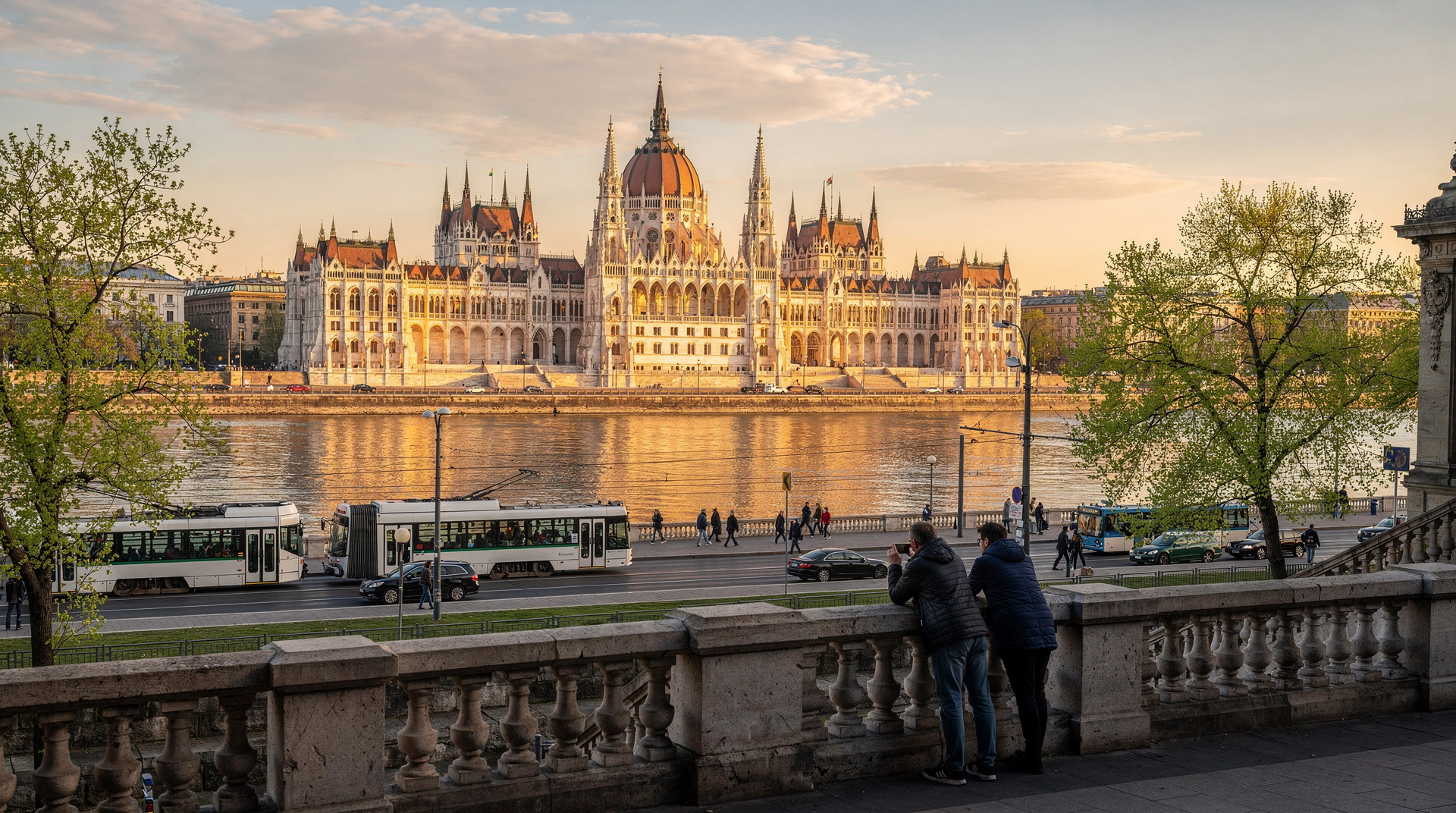
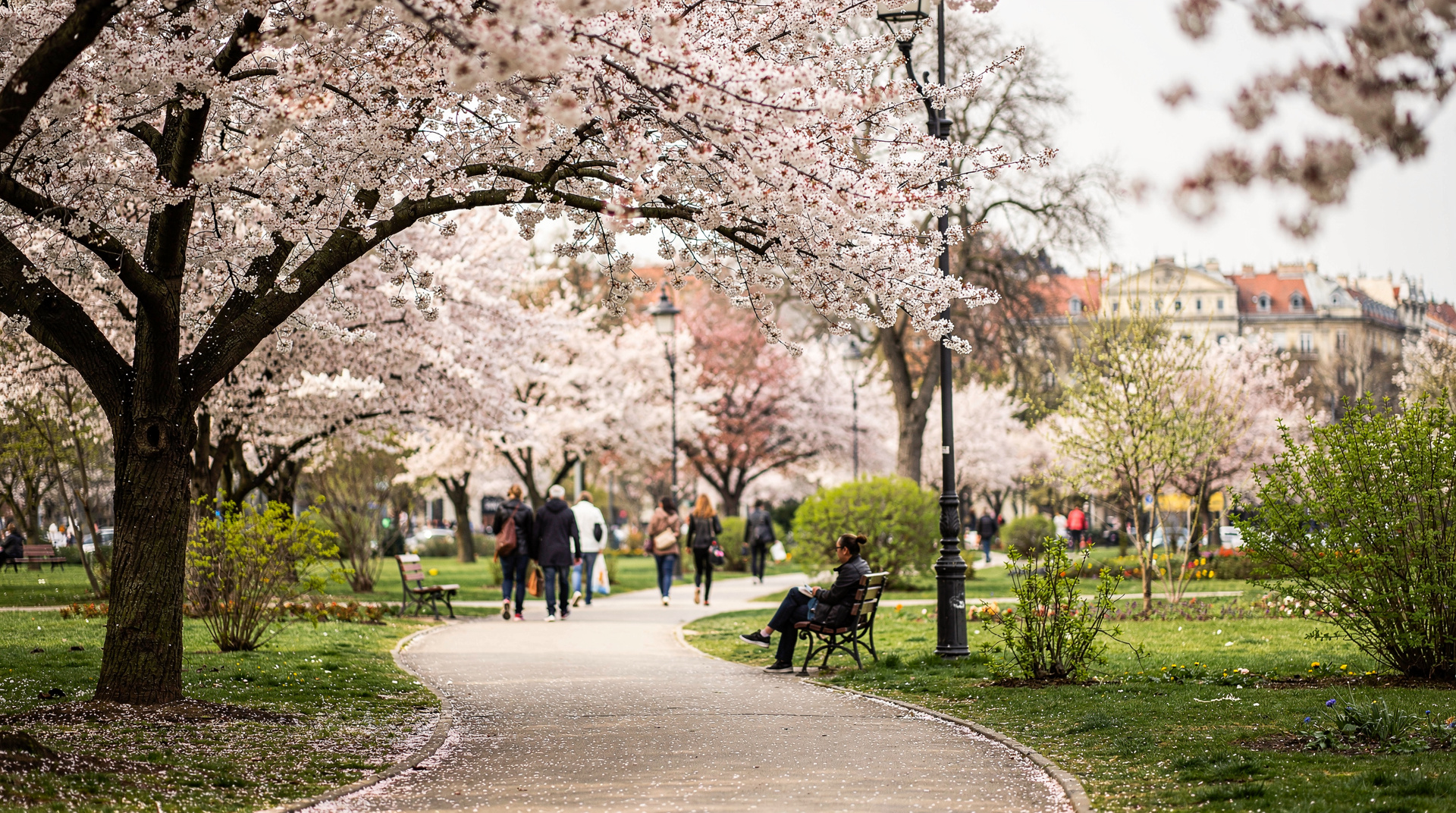
The autumn colour in Budapest’s parks — City Park, Margit Island, the Buda hills — is genuinely beautiful in October. Walking the Danube embankments in golden October light, with fewer tourists and comfortable temperatures, is one of the city’s great pleasures. Gellért Hill in autumn colour is excellent for photography.
The Castle District and Fisherman’s Bastion are manageable in early October — still visitor-heavy but noticeably less so than summer. See /guides/fishermans-bastion-guide/ and /guides/buda-castle-guide/.
Rainy days and indoor options
Autumn weather is mostly kind, but a grey day will turn up at some point, and it is worth having a plan. The best museums in Budapest are the obvious fallback, and the classical concerts guide and live music and jazz guide cover evenings that do not depend on the forecast. Families can lean on the rainy-day guide for visitors with children. Many visitors find that a wet afternoon is simply the right moment for the baths, which feel better, not worse, when the air is cool.
Practical autumn tips
Packing for September: Light clothing with one warm layer for evenings. Sunscreen still useful for outdoor days. Light waterproof for occasional rain.
Packing for October: Light-to-medium clothing, definitely a warm layer for evenings and late October days. Waterproof is increasingly useful. The Castle District and Gellért Hill on a windy October afternoon feel noticeably colder than the city centre.
Transport: BKK public transport normal throughout autumn. See /guides/getting-around-budapest/. The BKK travel passes guide explains the ticket options, and the Budapest Card guide helps you judge whether a sightseeing pass suits an autumn itinerary.
Where to stay: with prices softer than in summer, autumn is a good time to be choosy. The where to stay guide and the neighbourhoods guide will help you pick an area that suits the kind of trip you have planned.
Planning the basics: for the overall shape of a trip, the first time in Budapest guide and the packing guide cover what most visitors need to settle before they go.
Restaurant bookings: September — generally not needed for casual meals, useful for popular spots. October — walk-ins work for most. Wine bar evenings fill up on weekends; booking a day ahead is prudent.
Day trip logistics: September and October are excellent for day trips. Trains to Eger and Tokaj run from Budapest’s Keleti station. Boat services to Szentendre on the Danube (run by MAHART PassNave) check their end-of-season schedule — some services reduce frequency in October.
How autumn compares to the other seasons
If you have flexibility on dates, it helps to see autumn against the alternatives directly: Budapest in spring offers similar mild weather with blossom rather than harvest as the seasonal hook; Budapest in summer trades comfort for long days and festival energy at the cost of crowds and heat; Budapest in winter swaps warmth for the Christmas markets and steaming outdoor baths in the cold. Autumn sits between spring and winter in character — the wine harvest is what makes it distinct from either.
Who benefits most from an autumn visit?
Couples and honeymooners: September is excellent for the combination of wine, thermal baths, and manageable crowds. The romantic atmosphere of the city is particularly accessible in autumn. See /guides/romantic-budapest-for-couples/.
Wine and food enthusiasts: October for harvest season day trips, September for the arrival of new vintages in Budapest’s wine bars.
Repeat visitors: Autumn Budapest feels more like the actual city than the tourist infrastructure that dominates July–August.
Budget travellers: 20–30% off summer hotel rates in October. See /guides/budapest-on-a-budget/.
City walkers: Comfortable temperatures, beautiful light, and manageable tourist volumes make September and October the best time to explore the city on foot.
For the complete seasonal comparison, see /guides/best-time-to-visit-budapest/ and use the best time to visit tool.
Frequently asked questions about Budapest in autumn
What is the weather like in Budapest in autumn?
September: 17–24°C, warm days and cooler evenings (down to 10–14°C). October: 10–20°C, noticeably cooler with frequent warm days in early October ('Indian summer'). Both months are largely dry with fewer summer thunderstorms. From late October, temperatures drop toward winter levels. November is transition to winter: 4–12°C, grey, rainy.Is wine harvest season a good reason to visit Budapest in autumn?
Yes. September and October are harvest season in Hungary's main wine regions — Tokaj, Eger (Egri Bikavér / Bull's Blood), Villány, and Badacsony. Wine bars in Budapest receive new vintages, harvest festivals run in the wine regions, and day trips to Eger or Tokaj are at their most rewarding. Budapest's wine bar scene is excellent year-round but particularly well-stocked in autumn.Is Budapest quieter in September than August?
Significantly quieter. Sziget Festival ends in mid-August; by September the summer tourist volumes have dropped noticeably. Central Budapest in late September or October has the rhythm of a city being itself rather than performing for visitors — a different and often more appealing experience. Hotel prices drop 15–30% from August peaks.What events happen in Budapest in autumn?
Budapest Design Week (September), Jewish Cultural Festival (varies, check dates), various food and wine festivals, and the transition into the pre-Christmas season from mid-November. Autumn is rich in smaller cultural events even without the high-profile summer festivals.Are the thermal baths better in autumn?
Yes, for most visitors. The outdoor pools at Széchenyi are still comfortable in September and early October (air temperature and pool temperature align pleasantly). Crowds are lower than summer. By late October, the experience shifts toward early winter: cooler air, steaming water, fewer people — which many visitors actually prefer. See /guides/outdoor-baths-in-winter/ for the cold-weather bath experience.Is September or October the better month to visit Budapest?
September edges it for most visitors — warmer, longer evenings, and the wine harvest is just beginning without the mid-to-late-October chill. October wins specifically for wine-region day trips, since the Tokaj and Eger harvests are typically in full swing. If you have to pick one, September is the more universally comfortable choice; October rewards a specific interest in wine.How does Budapest in autumn compare to Vienna or Prague in autumn?
Similar weather patterns across all three cities, but Budapest's autumn has two advantages: the wine harvest gives it a seasonal focus Vienna and Prague don't share as strongly, and hotel prices drop further from summer peaks than in Vienna. Prague's autumn crowds thin less dramatically than Budapest's, since Prague draws steady year-round tourism.
Top experiences
Bookable activities with verified prices and instant confirmation on GetYourGuide.