Budapest Christmas markets: the complete guide for 2026

Are the Budapest Christmas markets worth visiting?
Yes — Budapest's Christmas markets are consistently rated among the best in Central Europe. The Vörösmarty tér market is large and lively; the St Stephen's Basilica market is intimate and beautifully lit. Both run mid-November to 1 January. The evenings, when the lights are on, are significantly better than the crowded midday. Come hungry — the food is genuinely good.
Budapest Christmas markets in 2026
Budapest’s Christmas market season is one of the most compelling reasons to visit the city in November or December. The two main markets — Vörösmarty tér and St Stephen’s Basilica — are consistently rated among the best in Central Europe, competing with Vienna’s Christkindlmarkt and Prague’s Old Town market for atmosphere and quality.
The formula differs from the Central European standard: Budapest’s markets are more food-heavy and less craft-heavy than Vienna’s, and the thermal bath culture means the evenings have a particular richness — dinner at a wine bar, a market stroll, and a late-night thermal bath session form a natural Budapest winter evening.
| Where | Vörösmarty tér and St Stephen’s Basilica, District V |
| Dates | Mid-November to 1 January |
| Cost | Free entry; food/drink around 700–2,500 HUF per item |
| Getting there | Metro M1 to Vörösmarty tér or Deák Ferenc tér |
| Best time | Weekday evenings after 17:00, lights on |
The two main markets
Vörösmarty tér Market
Location: Vörösmarty tér, central Pest, at the northern end of Váci utca (pedestrian zone). Nearest metro: M1 Vörösmarty tér.
Scale: Large — typically 100+ stalls surrounding the square, plus a stage for live music and performances.
Best features:
- Scale and atmosphere: the largest Budapest market, with the most stalls and the most activity
- Live music programme: local choirs, folk groups, and bands perform on the central stage throughout the season
- Ice rink: a skating rink at one end of the square (skate hire included in entry fee)
- The Gerbeaud confectionery at the market’s edge is a traditional stop
Food focus:
- Multiple mulled wine (forralt bor) stalls — look for the ones with good queues, sign of quality
- Gulyás and fisherman’s soup (halászlé) in bread bowls
- Kürtőskalács from several competing vendors — try a few to find the best one
- International food alongside Hungarian: Czech trdelník, German bratwurst, and mulled wine variants
Honest note: Vörösmarty is the tourist-visible market, which brings both the widest selection and some quality variation among stalls. The food is generally good; some craft stalls are tourist-grade souvenirs rather than genuine Hungarian craft.
Crowds: Very crowded on weekend afternoons and evenings in December. Weekday evenings (after 17:00 when lit) are the sweet spot.
St Stephen’s Basilica Market
Location: Exterior grounds of the Basilica, District V, a 10-minute walk from Vörösmarty tér.
Scale: Smaller — typically 60–80 stalls in an intimate layout.
Best features:
- The setting: the Basilica’s illuminated neoclassical facade provides an extraordinary backdrop at night — one of Budapest’s most photographed winter scenes
- Higher craft quality: the Basilica market is curated more carefully than Vörösmarty, with better representation of genuine Hungarian craft traditions
- Less crowded than Vörösmarty — more walkable and enjoyable at peak times
- Evening light shows on the Basilica facade: timed projections and light displays scheduled throughout the season
What to buy here:
- Embroidered textiles (Kalocsa-style and Matyo embroidery)
- Traditional painted pottery and ceramics
- Handmade Christmas ornaments specific to Hungarian tradition
- Lace from Halas (Halasi csipke) — a genuine Hungarian specialty
- Palinka (fruit spirits) and Tokaj wine
Honest note: The intimate scale means it can feel dense on peak evenings — but the layout usually keeps movement flowing. The quality of craft stalls is the best at any Budapest market.
Beyond the two main markets
City Park (Városliget) Winter World
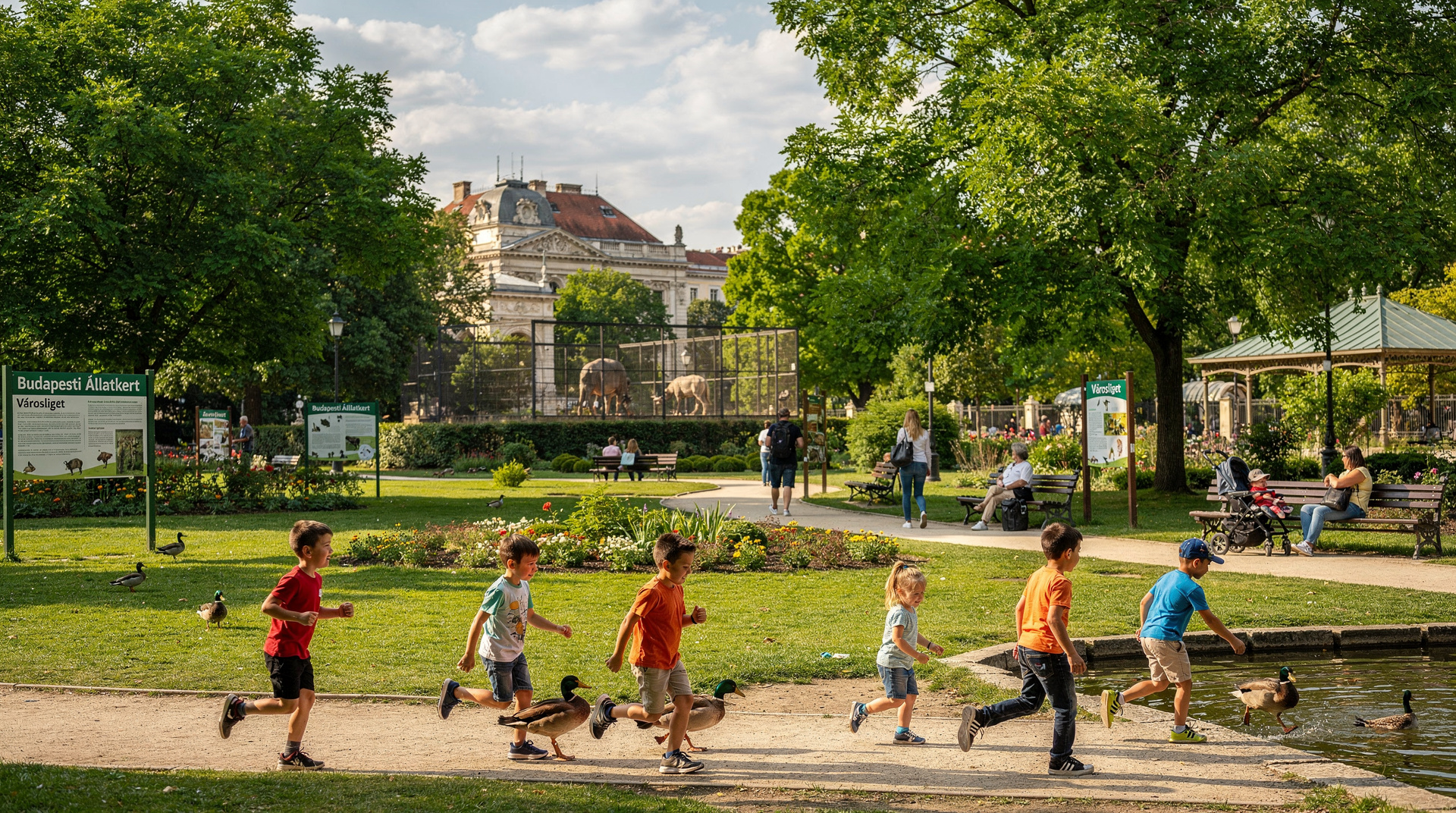
The City Park hosts an ice rink and winter fair around Vajdahunyad Castle from late November. Less craft-focused, more activity-oriented: ice skating, fairground rides, and a more family-friendly atmosphere. The backdrop of the illuminated castle is excellent.
Combined with a daytime visit to the zoo (adjacent) or Széchenyi Baths, the City Park market makes a natural family winter day.
Opera House Advent Market
A smaller market at the Hungarian State Opera House on Andrássy Avenue. Higher-end craft focus; easier to navigate; good for a quick visit en route between the Basilica and Vörösmarty.
What to eat and drink
The food is a serious reason to visit Budapest’s Christmas markets, not an afterthought.
Forralt bor (Hungarian mulled wine)
Different from German Glühwein — typically lighter body, drier, with a different spice profile using Hungarian wine as the base. Served in ceramic cups; pay a cup deposit that is refunded when you return it (usually 400–600 HUF). Price per cup: approximately 700–1,200 HUF (€1.75–3).
Quality varies between stalls. A stall with a persistent queue usually means the locals have validated it. The Basilica market’s wine stalls are generally well-regarded.
Kürtőskalács (chimney cake)
Hungary’s contribution to the festival pastry canon. A spiral of dough wound around a cone, baked over coals, then rolled in cinnamon sugar, walnut, coconut, or other toppings. Best eaten fresh and hot from the grill — it degrades quickly. Price: 800–1,500 HUF (€2–3.75).
Look for stalls with a visible grill and consistent production — avoiding pre-cooked ones sitting in a warmer.
Gulyás soup (goulash)
A proper Hungarian gulyás — beef, potato, paprika, onion — served in a bread bowl or thick ceramic pot. Warming, filling, and genuinely good at most stalls. Price: 1,500–2,500 HUF (€3.75–6.25).
Mézeskalács (gingerbread)
Hungarian gingerbread decorated with intricate coloured icing — both as edible treats and as Christmas decorations. Traditional shapes: hearts with names, religious motifs, and folk patterns. Sold primarily as gifts rather than immediate consumption.
Palinka
Hungary’s fruit spirit — produced from plums (szilva), apricots (barack), pears, and other fruits through double distillation. Market stalls offer samples before purchase. A proper palinka (aged, from a reputable producer) runs 4,000–12,000 HUF per bottle. See /guides/palinka-guide/ for what to look for.
Hungarian honey and preserves
High-quality acacia honey, apple and rosehip jams, and preserved fruits are standard market fare and genuinely useful gifts for food-focused people back home.
Combining the markets with other winter activities
The Christmas market visit is best structured as an evening programme, combined with a dinner reservation or a thermal bath session.
Recommended combinations:
Evening at the markets + Rudas Baths: Market visit from 17:00–19:30, then late-evening Rudas Night Bath (weekends until 04:00, the Ottoman dome and rooftop pool). This combination — festive market in the cold, then warm water under the dome — is a quintessential Budapest winter evening.
Daytime baths + evening markets: Széchenyi Baths from 11:00–15:00, hotel rest, then market visit from 17:00–20:00, followed by dinner. The cold air after the warm baths makes the hot wine at the market particularly welcome.
Market + dinner cruise: A Danube dinner cruise runs year-round. The combination of a Christmas market stroll (18:00–19:30) followed by a dinner cruise (20:00–22:00) covers the two most distinctive Budapest winter experiences in one evening.
A romantic evening plan
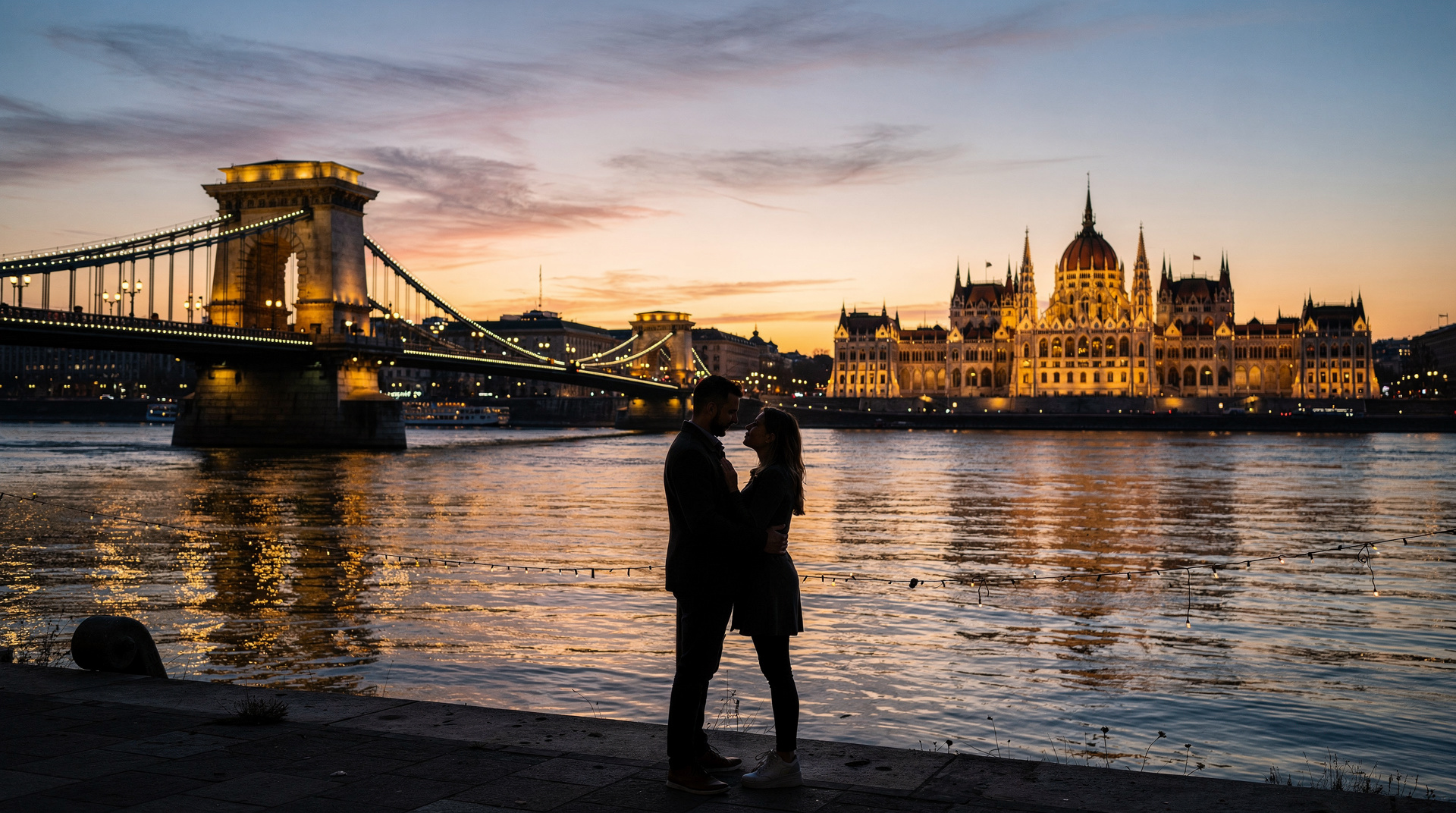
For couples, the Basilica market’s illuminated facade and the quieter Vörösmarty side streets make a genuinely romantic evening without much planning: market stroll, mulled wine, then a candlelit dinner nearby. For more couple-specific ideas across the whole trip, see romantic Budapest for couples.
Visiting with children
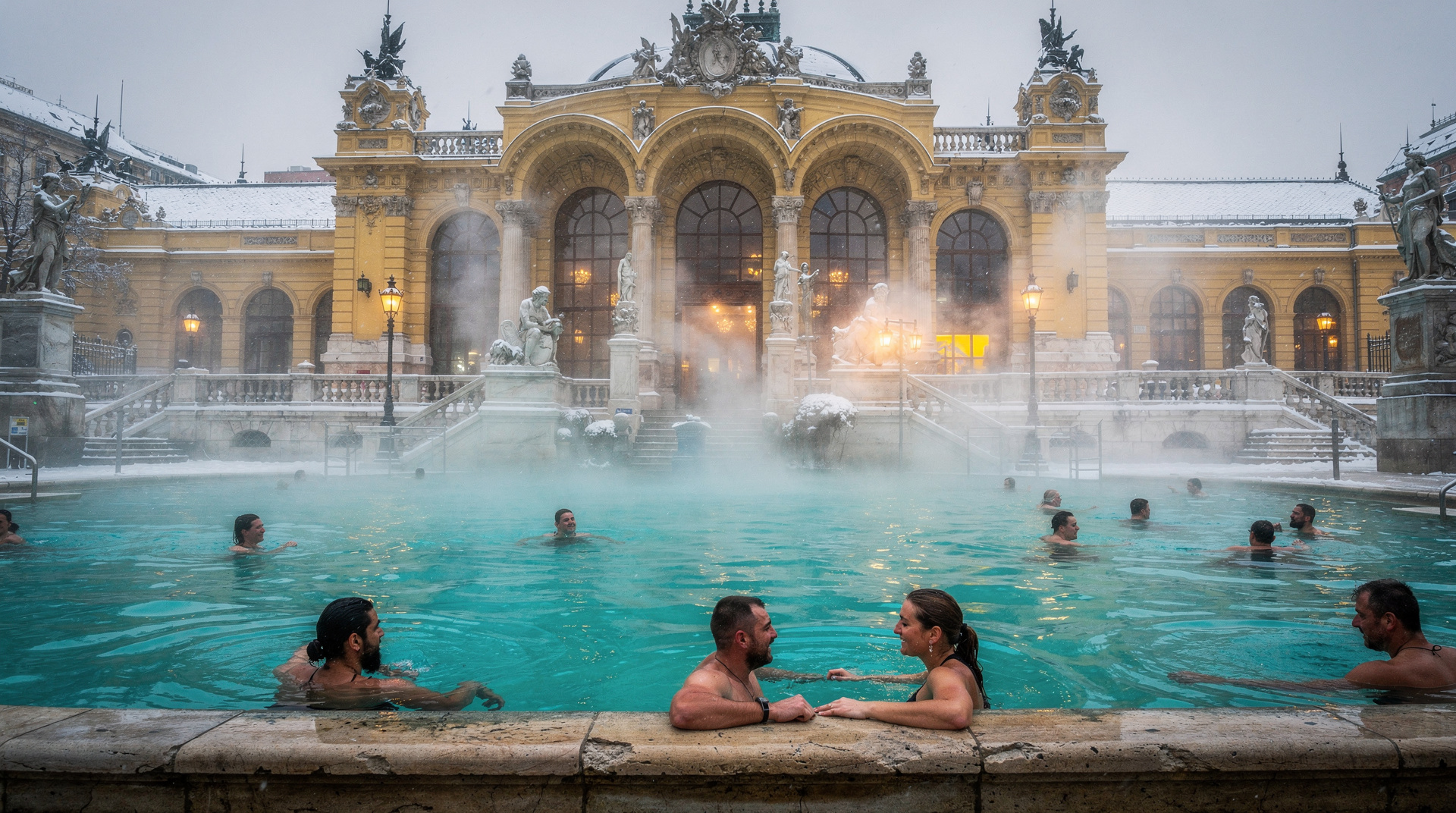
City Park’s ice rink and the carousel at Vörösmarty are the two most reliably kid-friendly elements; both main markets get uncomfortably crowded with a stroller on weekend afternoons, so aim for a weekday morning or early evening instead. Combine the market visit with an outdoor bath in winter — steam rising off a thermal pool in falling snow is a memorable experience for children too — and see Budapest with kids for the wider family picture.
Turning it into a full festive trip
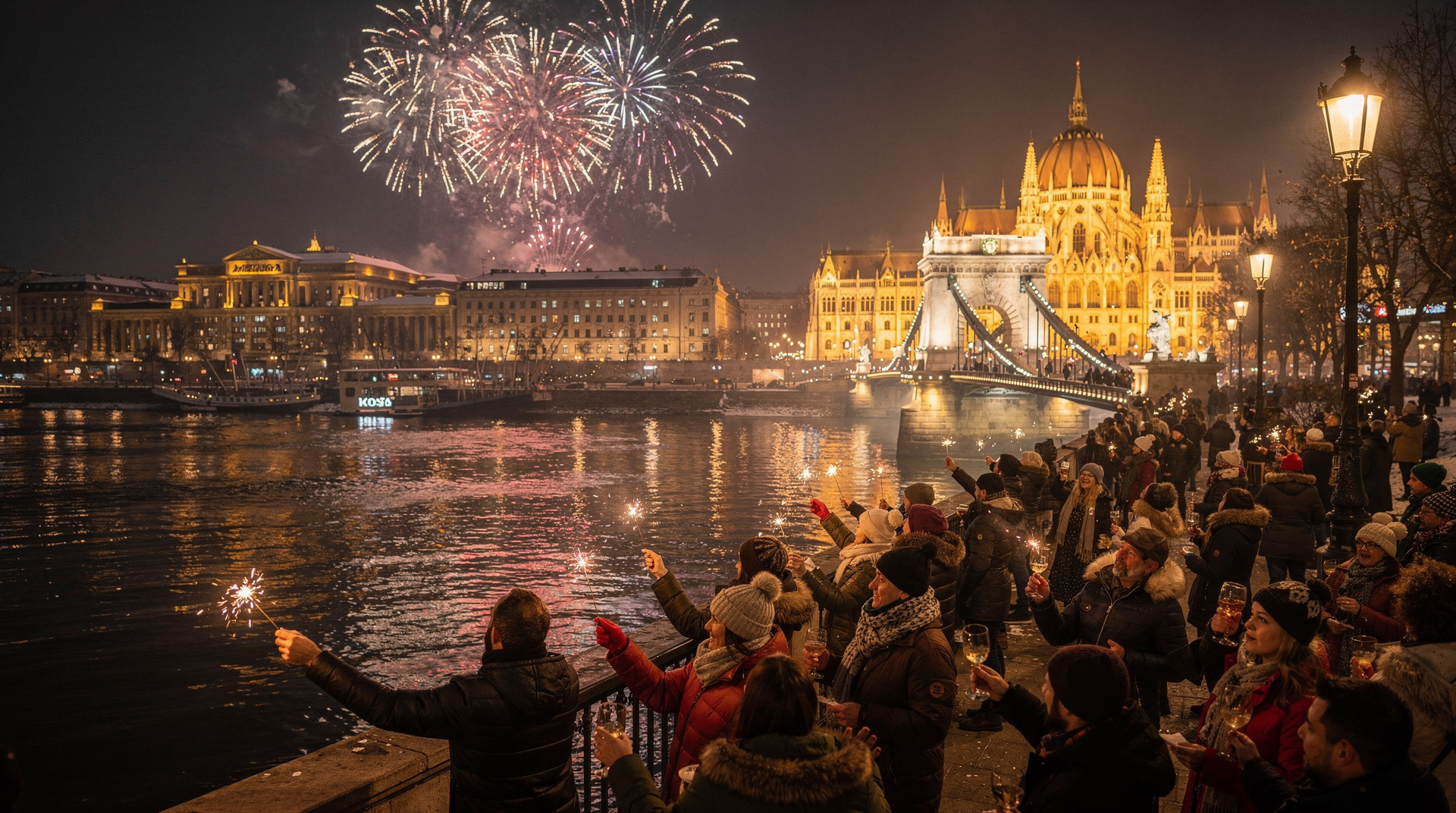
If the markets are the main reason for your visit, consider building the whole trip around them rather than squeezing them into a single evening. The Budapest winter Christmas 3-day itinerary structures a full visit around both markets, a thermal bath session and the wider seasonal city, and pairs well with Budapest New Year’s Eve if your dates stretch into late December.
Where to stay for easy market access
District V, right around Vörösmarty tér and the Basilica, puts both markets within a 10-minute walk of your hotel — worth prioritising for a market-focused trip over a Buda base, where you would need to cross a bridge each evening in the cold. See where to stay in Budapest for the full neighbourhood breakdown if you have not booked yet.
Getting the most out of the food stalls
Eating at a Christmas market works best as a slow grazing session rather than a single sit-down meal. Share a few items between two people, walk, and come back for whatever looked best. For the story behind the dishes you will see on the stalls, the guide to traditional Hungarian dishes explains what each one is and how it is meant to taste, and the dedicated guide to kürtőskalács and chimney cake covers how to spot a well-made one. If the markets leave you wanting more of the same, the wider street food in Budapest guide carries the grazing habit into the rest of the year.
Drinkers who enjoy the mulled wine often ask what the base wine is. The Hungarian wine guide gives the background on the regions behind the bottles on sale, and the palinka guide helps you choose a bottle to carry home rather than guessing at a stall. For something calmer than a stall counter, a traditional café is an easy break from the crowds: see coffee houses in Budapest for places to warm up between the two markets.
Making the Basilica visit part of the evening
The Basilica market sits right at the foot of the church, so it is easy to add a look inside before or after the stalls. The St Stephen’s Basilica guide explains what there is to see, and it is worth checking the opening arrangements in advance, because a market evening and a church visit fit together best when you plan which one comes first. If you enjoy music, the festive season is also a good moment to look at classical concerts in Budapest, and the Hungarian State Opera is a short walk from the markets for anyone who wants a seat indoors after an hour in the cold.
Getting around in the cold
Winter changes how you use the city. The two markets are close enough to walk, but on a freezing evening you may prefer to ride between them and your hotel. The Budapest metro guide and the getting around Budapest overview explain the options, and what to pack for Budapest helps you decide on boots, gloves and layers before you leave home. If you plan to see the bath side of a winter trip too, read thermal bath etiquette first so that a late-evening session runs smoothly, and the Rudas baths guide and Széchenyi baths guide cover the two baths mentioned above in more detail.
Planning around the dates
Because the opening date is only confirmed closer to the season, keep your booking flexible and check the official market sites before you fix flights. The blog preview of the Christmas markets in 2026 collects early notes, and the Budapest weekend break itinerary is a useful template if you only have two nights and want to fit in both markets, a bath and a proper dinner. For a longer stay that reaches beyond the market season, the guide to Budapest in winter sets out how the rest of the city feels in the cold months.
Practical information
Entry: Both main markets are free to enter. You pay only for food and purchases.
Getting there:
- Vörösmarty tér: Metro M1 to Vörösmarty tér, or walk from anywhere in central District V
- Basilica: 10-minute walk from Vörösmarty tér north along Andrássy Avenue / Bajcsy-Zsilinszky út, or metro M1/M3 to Deák Ferenc tér
Best visiting strategy:
- Start at the Basilica market around 17:00 (lights come on, less crowded)
- Browse the quality crafts, buy palinka or wine
- Walk to Vörösmarty tér (10 minutes) for a mulled wine and kürtőskalács in the larger atmosphere
- Dinner at a restaurant near Vörösmarty (book ahead in December) or at a market stall
What to bring: Cash (some stalls accept card but cash is safer at markets), warm clothing (it will be cold), reusable bags for purchases.
Language: Almost all stall vendors in the main markets speak basic English. Prices are posted; no negotiation expected.
Budget for the markets
A thorough market visit for two people, including food and a small gift purchase:
| Item | Approximate cost |
|---|---|
| 2× mulled wine | 1,400–2,400 HUF |
| 2× kürtőskalács | 1,600–3,000 HUF |
| 2× gulyás soup | 3,000–5,000 HUF |
| Small craft purchase | 3,000–10,000 HUF |
| Hot drinks (coffee/tea) | 1,000–2,000 HUF |
| Total for two | 10,000–22,400 HUF (€25–56) |
Shopping for gifts adds to this significantly. Palinka bottles run 4,000–12,000 HUF (€10–30); embroidered textiles 3,000–15,000 HUF (€7.50–37.50).
For the complete winter Budapest guide, see /guides/budapest-in-winter/. For the full seasonal planning guide, see /guides/best-time-to-visit-budapest/ and the best time to visit tool.
Frequently asked questions about Budapest Christmas markets
When do the Budapest Christmas markets open in 2026?
The Vörösmarty tér and St Stephen's Basilica markets typically open in mid-November (usually around November 14–18) and run until January 1. The exact opening date for 2026 is confirmed closer to the time — check the official market websites (vorosmarty.hu and bazilika.biz) for current dates. Markets run daily including weekends.What are the opening hours of Budapest Christmas markets?
Both markets generally run 10:00–21:00 on weekdays and 10:00–22:00 on weekends, with extended hours in the final days before Christmas. Check current schedules as hours can vary. Entry to both markets is free — you pay only for food and purchases.Which Budapest Christmas market is better — Vörösmarty or Basilica?
They have different characters. Vörösmarty tér is larger, more festive, with more stalls and a stage for live music. The St Stephen's Basilica market is smaller, more intimate, with higher craft quality and the Basilica's illuminated facade as backdrop. Many visitors do both in one evening — they are about 10 minutes' walk apart. The Basilica market is generally considered better for quality crafts; Vörösmarty for atmosphere and scale.What food is served at Budapest Christmas markets?
Forralt bor (mulled wine): the main market drink, served in ceramic cups you return for a deposit refund. Kürtőskalács (chimney cake): spiral pastry dusted with sugar, cinnamon, or walnut — best hot from the grill. Lángos: deep-fried flatbread with toppings. Gulyás soup: hearty Hungarian beef soup served in a bread bowl. Halászlé (fisherman's soup): spicy fish soup, seasonal speciality. Hungarian sausages and roasted meats. Mézeskalács (gingerbread) decorated with intricate icing.How crowded are the Budapest Christmas markets?
Crowded on weekend afternoons and evenings in December, especially the two weekends before Christmas. Manageable on weekday mornings and early afternoons. The Basilica market handles crowds better than Vörösmarty due to its layout. Come on a Tuesday or Wednesday evening for a good balance of atmosphere and space. Both markets are best after 17:00 when the lights are on.Is the Budapest Christmas market good for children?
Yes — both markets have elements that work for children: carousel rides, gingerbread workshops, craft activities, and the general visual spectacle of lights and decorations. The crowds on busy weekends can be intense with strollers; weekday visits with children are more manageable.Are there other Christmas markets in Budapest beyond the main two?
Yes. Smaller markets at the Hungarian State Opera House, the Városligeti ice rink in City Park, and various district markets across the city. The City Park market has an ice rink, which is popular with families. Several hotels and restaurants run advent events. The Vörösmarty and Basilica markets are the main attractions; the others supplement rather than replace them.What crafts are sold at the Budapest Christmas markets?
Hungarian folk crafts: embroidered textiles, traditional painted pottery (Kalocsa style), wooden toys and decorations, traditional Christmas ornaments, lace, leather goods, and handmade jewellery. Quality varies between stalls — the Basilica market generally has higher craft quality. Palinka (Hungarian fruit spirit), honey, paprika products, and Tokaj wine are popular edible gifts.Is a Christmas market trip to Budapest worth combining with New Year's Eve?
Yes, if your dates allow it. The markets typically run until 1 January, so a late-December visit can cover both the festive market atmosphere and Budapest's New Year's Eve celebrations. Expect higher accommodation prices and bigger crowds in the final week of December — book well ahead for this stretch.What should I wear to the Budapest Christmas markets?
Layer up: a warm coat, hat, gloves and proper shoes for standing on cold cobblestones for extended periods. December evenings in Budapest regularly sit at or below freezing. The mulled wine helps, but is not a substitute for genuine winter clothing — this is not a mild Western European winter.
Top experiences
Bookable activities with verified prices and instant confirmation on GetYourGuide.