Budapest wine tasting review: Hungarian wine essentials class (2026)
Hungarian wine is seriously underrated — here’s how to get into it
Hungary has one of Europe’s oldest wine cultures, a UNESCO heritage wine region in Tokaj, and a diverse set of indigenous grape varieties that don’t appear in Western wine education. What it lacks is international marketing — which means most visitors to Budapest don’t know what they’re missing.
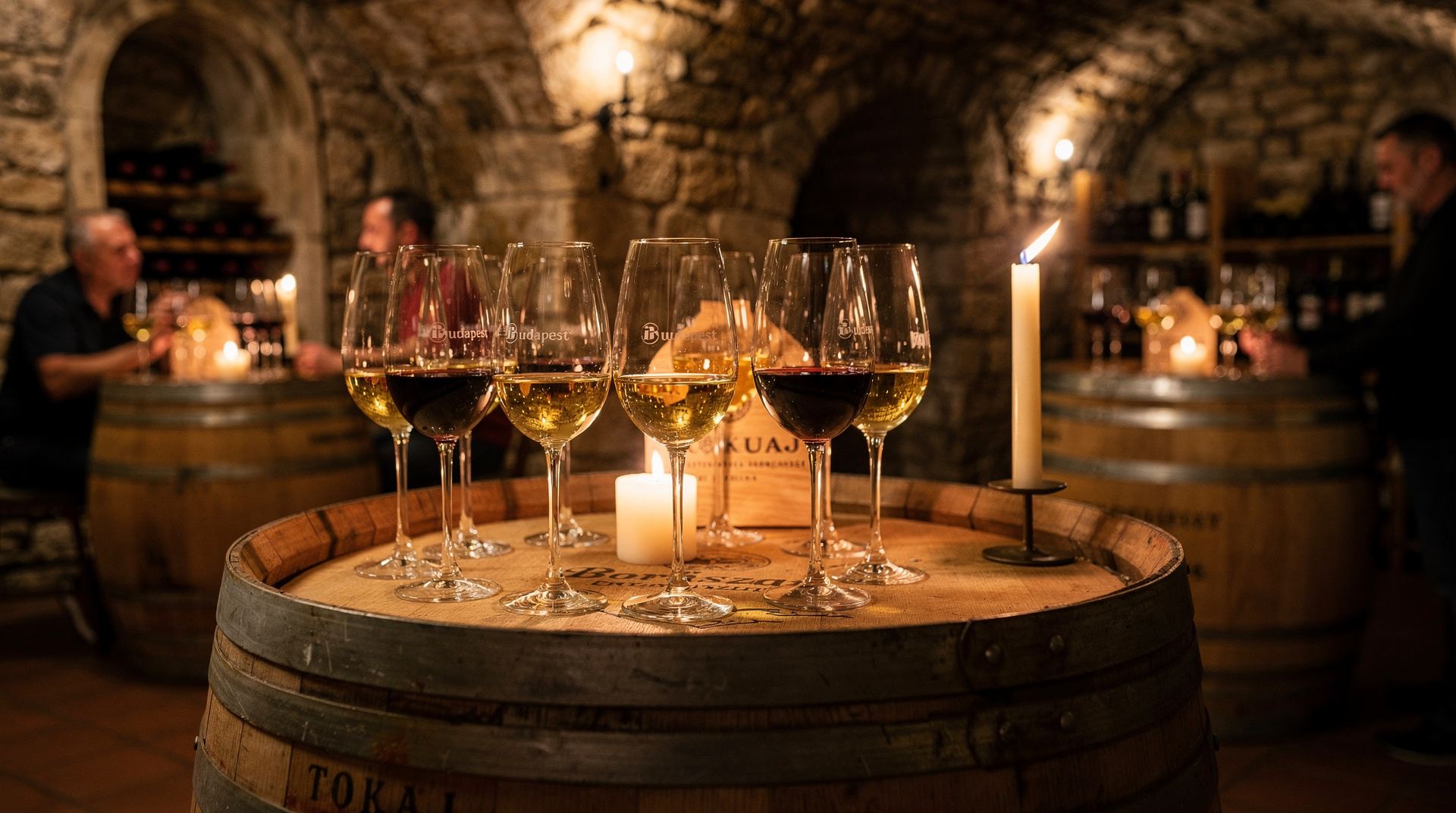
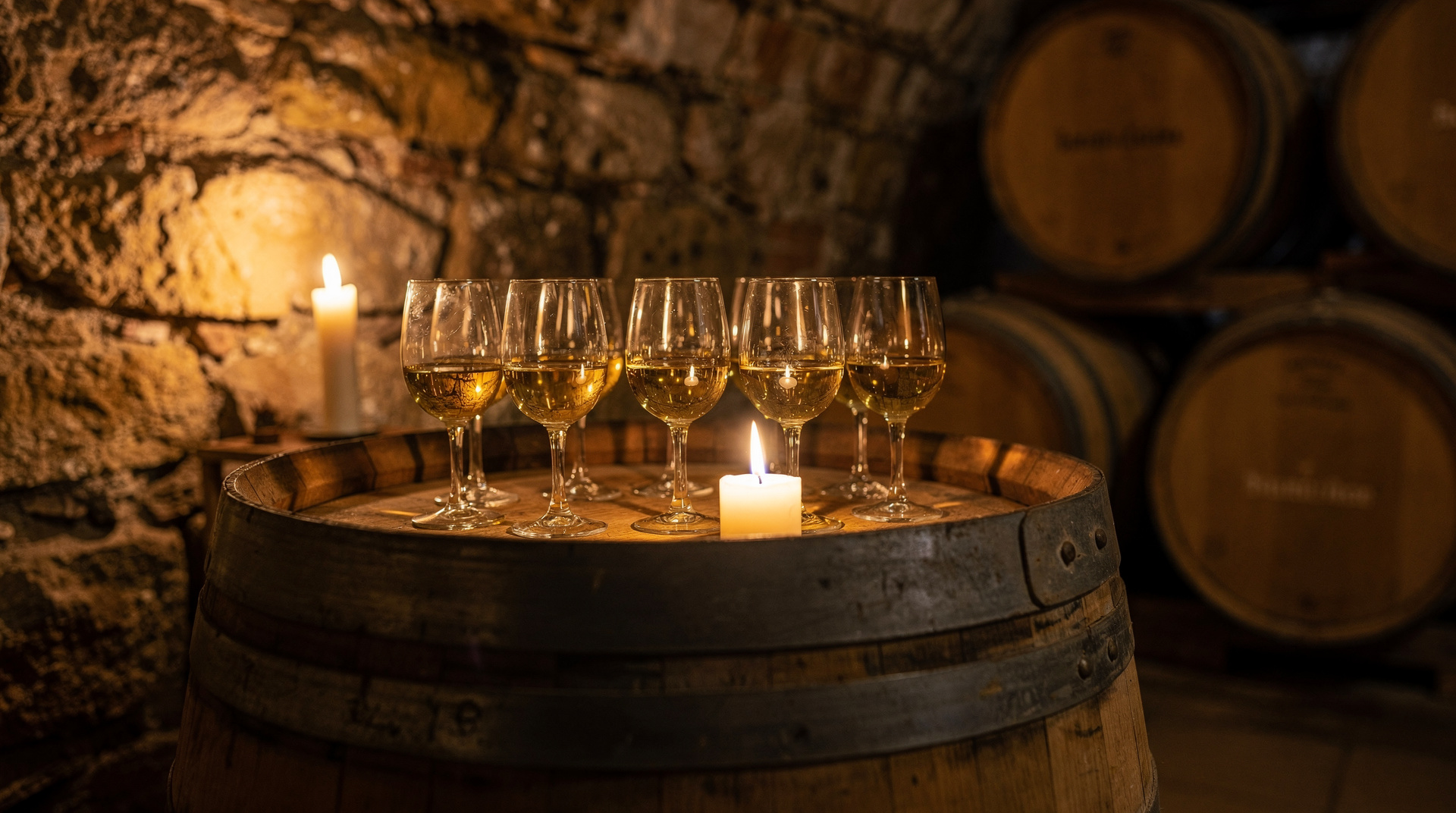
The Hungarian wine essentials tasting class is the most efficient way to fix that. In two hours you’ll cover the main regions, the key grape varieties, and the stylistic range from dry whites to sweet Aszú, with a guide who can answer the questions that wine lists don’t.
| Where | Central Budapest wine bar or cellar, 5th/6th district near Deák Ferenc tér |
| Cost | around 12,000–16,000 HUF per person |
| Time needed | around 90–120 minutes |
| Getting there | Metro M1/M2/M3 to Deák Ferenc tér, then a short walk |
| Best time | evening sessions for a relaxed pace; book a few days ahead in peak season |
What you actually taste and learn
The regional structure. Hungary has 22 wine regions. The class focuses on five or six that matter most for a visitor:
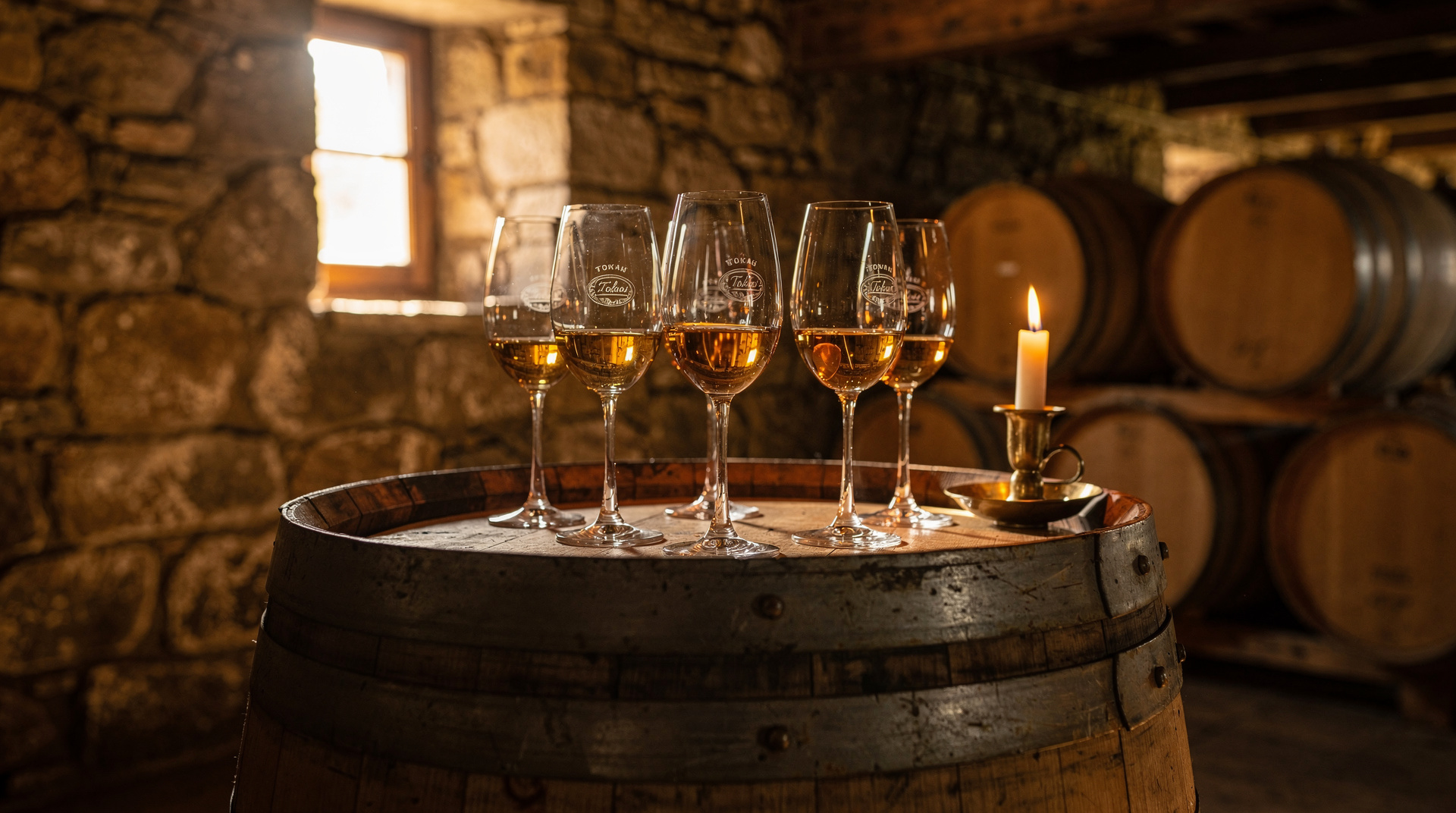
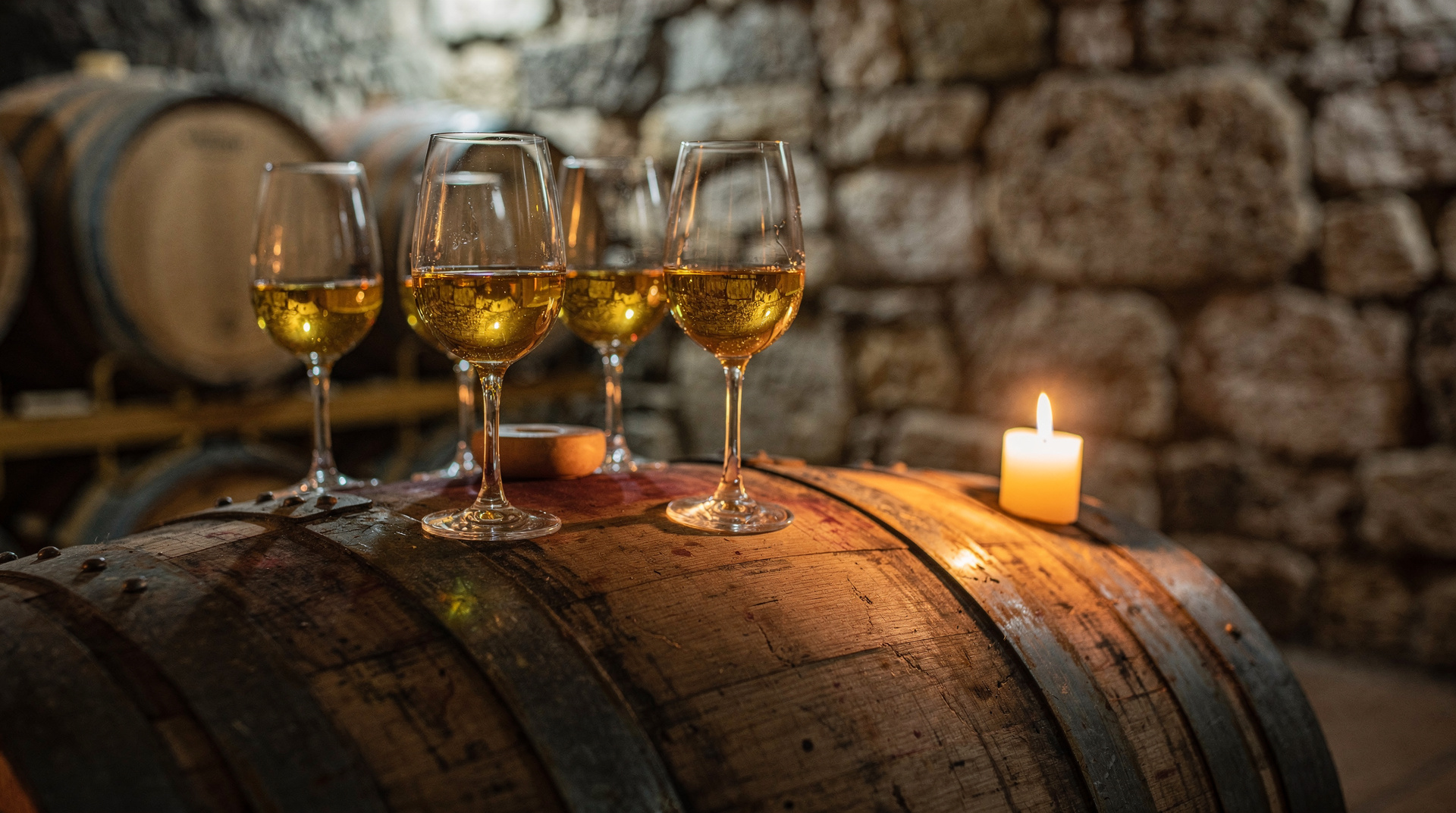
- Tokaj. The most famous. Furmint is the primary grape — naturally high in acidity, capable of ranging from bone-dry to the famous Aszú (the world’s first legally designated wine region, predating Bordeaux classification). Aszú is made from botrytised grapes measured in puttonyos (sweetness level). A 5 or 6 puttonyos Aszú is one of the world’s great dessert wines.
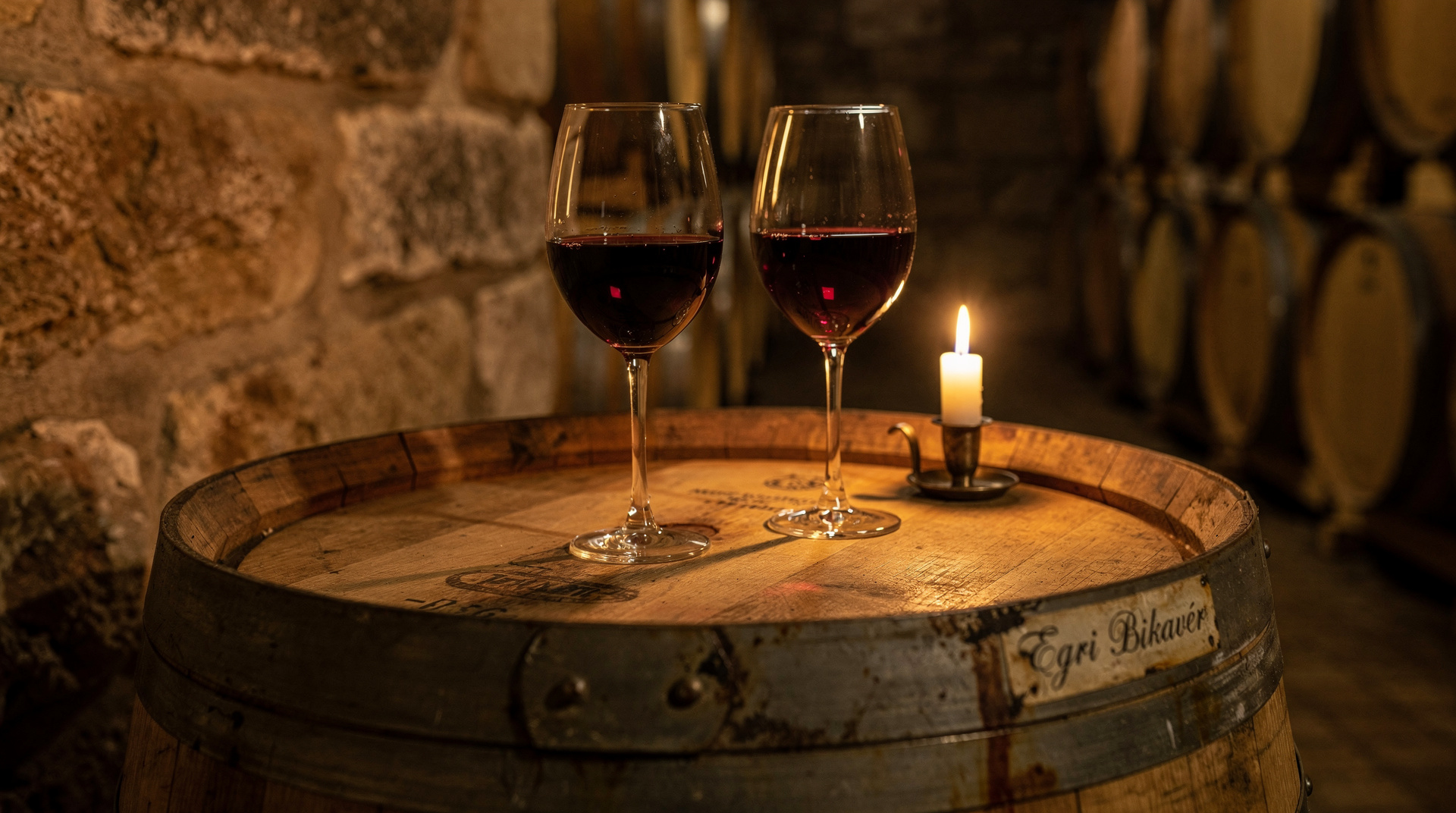
- Eger. Best known for Egri Bikavér (Bull’s Blood) — a full-bodied red blend historically dominated by Kékfrankos. Modern Eger reds are more structured and age-worthy than the tourist-shelf versions imply.
- Villány. Hungary’s warmest wine region in the south, producing Bordeaux-style reds from Cabernet Franc, Merlot, and Cabernet Sauvignon. The quality leaders (Attila Gere, Ede Tiffán) produce wines that compete internationally.
- Balaton. The lake’s northern shore produces crisp whites from Olaszrizling (Welschriesling), Szürkebarát (Pinot Gris), and increasingly Sauvignon Blanc. Good summer patio wine; underpriced.
- Mátra. Lighter reds and aromatic whites from the northern hills.
The tasting sequence. The class moves from lighter and drier to fuller and sweeter — typically opening with a Furmint, moving through a Balaton white and an Eger red, and closing with an Aszú or a pálinka introduction.
Pálinka moment. Many wine classes include a brief introduction to pálinka — Hungarian fruit brandy. One small glass of plum (szilva) or apricot (barack) pálinka at the end of the wine flight is educational and practical: you’ll see pálinka menus everywhere in Budapest and knowing what you’re looking at helps.
Price and what’s included
The wine essentials class costs approximately 12,000–16,000 HUF per person (€30–40). This includes:
- 5–7 wines (approximately 40–50ml per pour)
- Light food accompaniments (cheese, bread, charcuterie)
- The instructor’s time — typically 90–120 minutes
- A handout or card listing the wines and producers
What’s not included: Additional purchases, tip (10% appreciated), and the optional bottle purchases at the end.
For context, two glasses of wine at a good Budapest wine bar run 2,000–4,000 HUF (€5–10). The class provides significantly more wine and structured knowledge for roughly the price of a restaurant wine flight.
Who benefits most
Ideal for:
- Wine enthusiasts who want to understand Hungarian wine before visiting Tokaj or Eger
- Couples looking for a date-night activity with educational content
- Travellers interested in Hungarian food culture who want to add the wine dimension
- Anyone planning to buy Hungarian wine to take home — knowing what you’re buying makes the airport or market purchase much better
Less essential for:
- Wine professionals who already know Hungarian producers
- Those primarily interested in pálinka or beer (other classes cover these specifically)
The Tokaj question: class or day trip?
If you’re considering either the wine tasting class or a Tokaj day trip, they serve different purposes. The class gives you the conceptual framework for Hungarian wine in the city; the day trip puts you in the landscape where it’s made. Both have value, and they’re not mutually exclusive.
The Tokaj wine day trip guide covers the logistics of getting there and the best cellars to visit. The wine class is the right preparation if you’re planning the day trip — you’ll taste more intelligently after understanding the Aszú categories.
Why puttonyos numbers matter
The one piece of Hungarian wine vocabulary worth memorising before the class is puttonyos, the traditional sweetness scale for Tokaji Aszú. Historically it referred to the number of baskets (puttony) of botrytised grapes added to a base wine cask; today it’s a regulated sweetness rating, running roughly from 3 puttonyos (lighter, more approachable) to 6 puttonyos (intensely sweet and concentrated). Knowing this before you taste means you can ask the instructor to compare a 3 and a 5 puttonyos side by side, rather than just being told which one is “sweeter.” It’s also the single most useful label detail for buying a bottle afterwards — restaurants and shops in Budapest list it clearly, and it tells you more about style than the producer name does for most first-time buyers.
Where wine fits in Budapest
Good wine bars for post-class continuation:
- DiVino Basilica (5th district, near St. Stephen’s Basilica): curated Hungarian selection, knowledgeable staff, intimate atmosphere
- Bortársaság (multiple locations): Hungary’s largest wine merchant has tasting bars with professional guidance
- Kadarka (7th district): neighbourhood wine bar popular with locals, 80+ Hungarian wines by the glass at fair prices
The best restaurants in Budapest guide has recommendations for restaurants with strong Hungarian wine lists where you can apply the evening’s learning.
Alternatives compared
| Option | Best for |
|---|---|
| Wine essentials class (this page) | A structured first introduction to Hungarian wine regions |
| 8 wines and tapas | Bigger appetite, more wine, a fuller evening |
| Wine, food and pálinka experience | Wanting both wine and pálinka covered explicitly in one session |
| DiVino tapas tasting | A wine-bar atmosphere over a classroom feel, held at DiVino specifically |
- 8 wines and tapas — more wines, more food, slightly higher price; the best option if you want a fuller experience and have more appetite
- Wine, food and pálinka experience — explicit combination of wine and pálinka education; good for those who want both in one session
- DiVino tapas tasting — held at DiVino wine bar specifically, tapas included, more wine bar atmosphere than classroom
For the broader picture, the Hungarian wine guide covers every region with producer recommendations and buying advice.
Compare alternative tours
Frequently asked questions about Budapest wine tasting review
What wines do you taste in the Hungarian wine essentials class?
The class typically covers 5–7 wines representing the main Hungarian regions: Tokaj (Furmint, Aszú), Eger (Egri Bikavér and local reds), Villány, Balaton whites, and Mátra. The guide explains the regional character and how Hungarian wine styles differ from French or Italian benchmarks.How much does the wine tasting class cost?
The essentials class typically costs 12,000–16,000 HUF per person (approx. €30–40). Prices vary slightly by time of year and whether tastings are paired with food.Do I need to know anything about wine to attend?
No prior knowledge needed. The class is structured for beginners to intermediate wine enthusiasts. The guide explains regional geography, grape varieties, and production methods from scratch.What food is served alongside the wines?
Most wine tasting classes include light accompaniments — bread, cheese, charcuterie, or small bites — to balance the wine. The essentials class is not a full meal; eat beforehand.Where is the wine tasting held?
Classes are typically held in a dedicated wine bar or cellar in central Budapest, often in the 5th or 6th district within easy reach of Deák Ferenc tér. Your booking confirmation specifies the exact address.Can I buy bottles of the wines tasted?
Most venues have bottles available to purchase after the class. This is a good opportunity to buy a bottle of Tokaji Aszú or Egri Bikavér at cellar-door-equivalent prices before you know what you're looking for.Is the wine class suitable for a small group or private booking?
Most sessions run as shared classes with other travellers, which suits solo visitors and couples well. Some operators offer private sessions for larger groups at a higher per-person rate — worth asking about directly if you're travelling as a party of six or more and want the instructor's full attention.How does the wine class compare to visiting a wine bar on my own?
A wine bar lets you order freely but gives no structure or explanation — you're guessing at an unfamiliar list. The class costs roughly the same as a restaurant wine flight but adds a guide who explains the regions and grape varieties, so you leave able to order confidently at any Budapest wine bar afterwards.