Tokaj day trip from Budapest: the UNESCO wine region of golden Aszú
Discover Tokaj's UNESCO wine region: sweet Aszú wines, historic wine cellars, vineyards along the Bodrog River, and the story of the 'wine of kings'.

Quick facts
- Distance from Budapest
- ~240 km north-east
- Travel time
- ~2.5–3 hrs by train from Budapest Keleti (with change at Miskolc or Nyíregyháza); ~2 hrs by car via M3
- UNESCO designation
- Tokaj wine region designated UNESCO World Heritage Site in 2002
- Wine cellar tastings
- 3 wines ~3 000–5 000 HUF (~€7.50–€12.50); 5–7 wines with Aszú ~8 000–15 000 HUF (~€20–€37.50)
- Famous wine
- Tokaji Aszú — botrytized sweet wine, traditionally described as 'wine of kings, king of wines'
- Honest note
- Tokaj town itself is small and can be toured in 2 hours; the interest is in the cellars and surrounding wine villages — book a guided cellar tour rather than just wandering independently
The world’s oldest classified wine region
Tokaj has been producing wine celebrated across Europe since at least the 16th century. Louis XIV of France reportedly called Tokaji Aszú the “wine of kings and king of wines.” Peter the Great of Russia kept standing orders for regular shipments. The Tokaj wine region was the first in the world to introduce a classification system for vineyards, in 1737 — 118 years before Bordeaux did the same.
In 2002, UNESCO added the Tokaj wine region to its World Heritage List, recognizing the cultural landscape of historic wine towns, underground wine cellars carved into volcanic tuff, and centuries-old viticulture traditions. Today, Tokaj has also emerged as one of Central Europe’s most exciting regions for dry white wine — the Furmint grape, previously used almost exclusively for Aszú production, is now the basis for some of Hungary’s finest dry wines.
Getting there from Budapest takes about 2.5 to 3 hours by train or 2 hours by car — a longer journey than most day trips from the capital, but one that wine lovers consistently rank among Hungary’s best experiences.
| Where | ~240 km north-east of Budapest, northern Hungary |
| Cost | Cellar tastings from ~3 000 HUF; organized tours from Budapest ~20 000–30 000 HUF |
| Time needed | Full day; overnight recommended for a relaxed pace |
| Getting there | Train via Miskolc (~2.5–3 hrs); M3 by car (~2 hrs); organized tour |
| Best time | September–October for harvest; May–June for flowering vineyards |
What makes Tokaj wine extraordinary
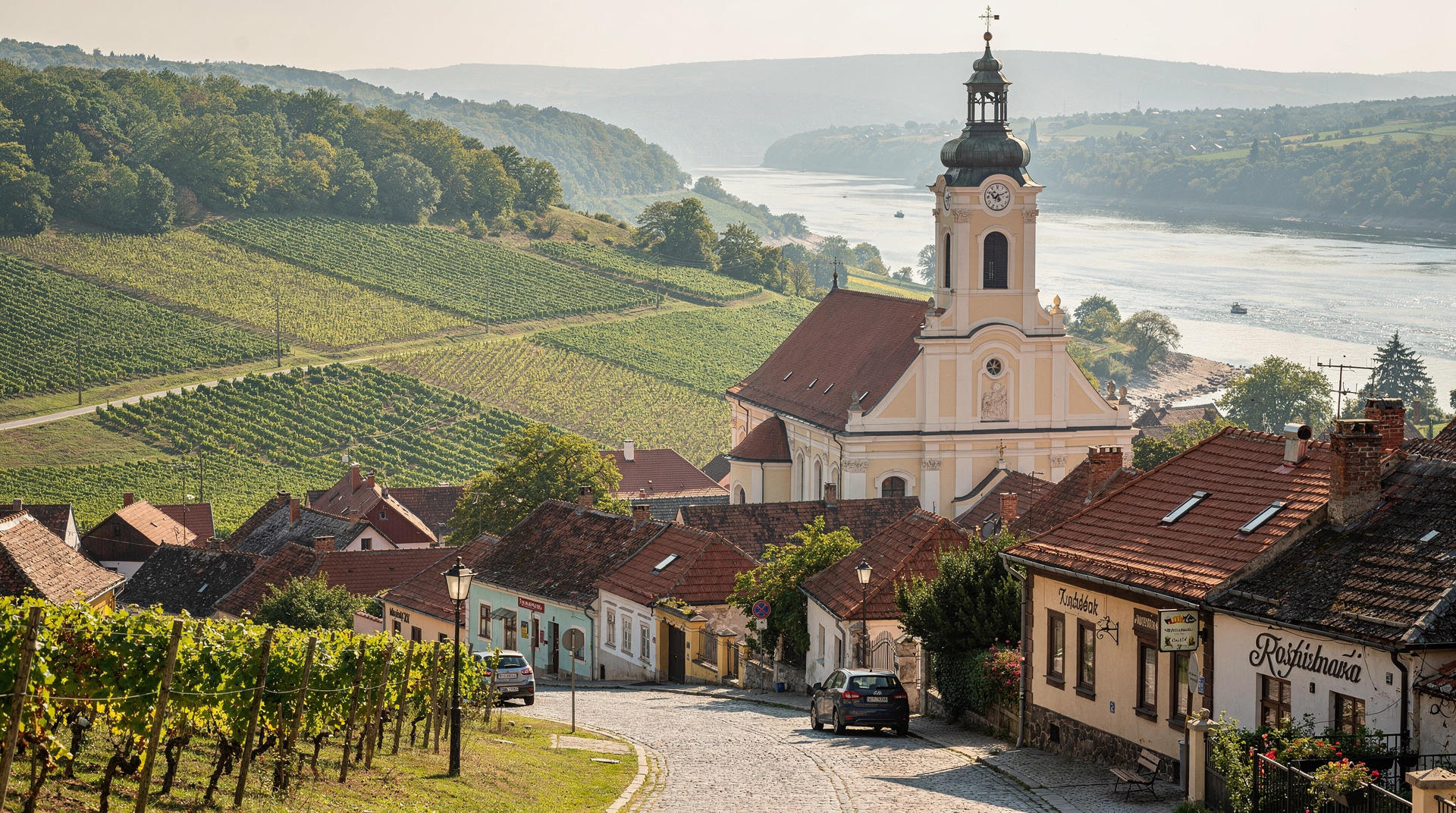
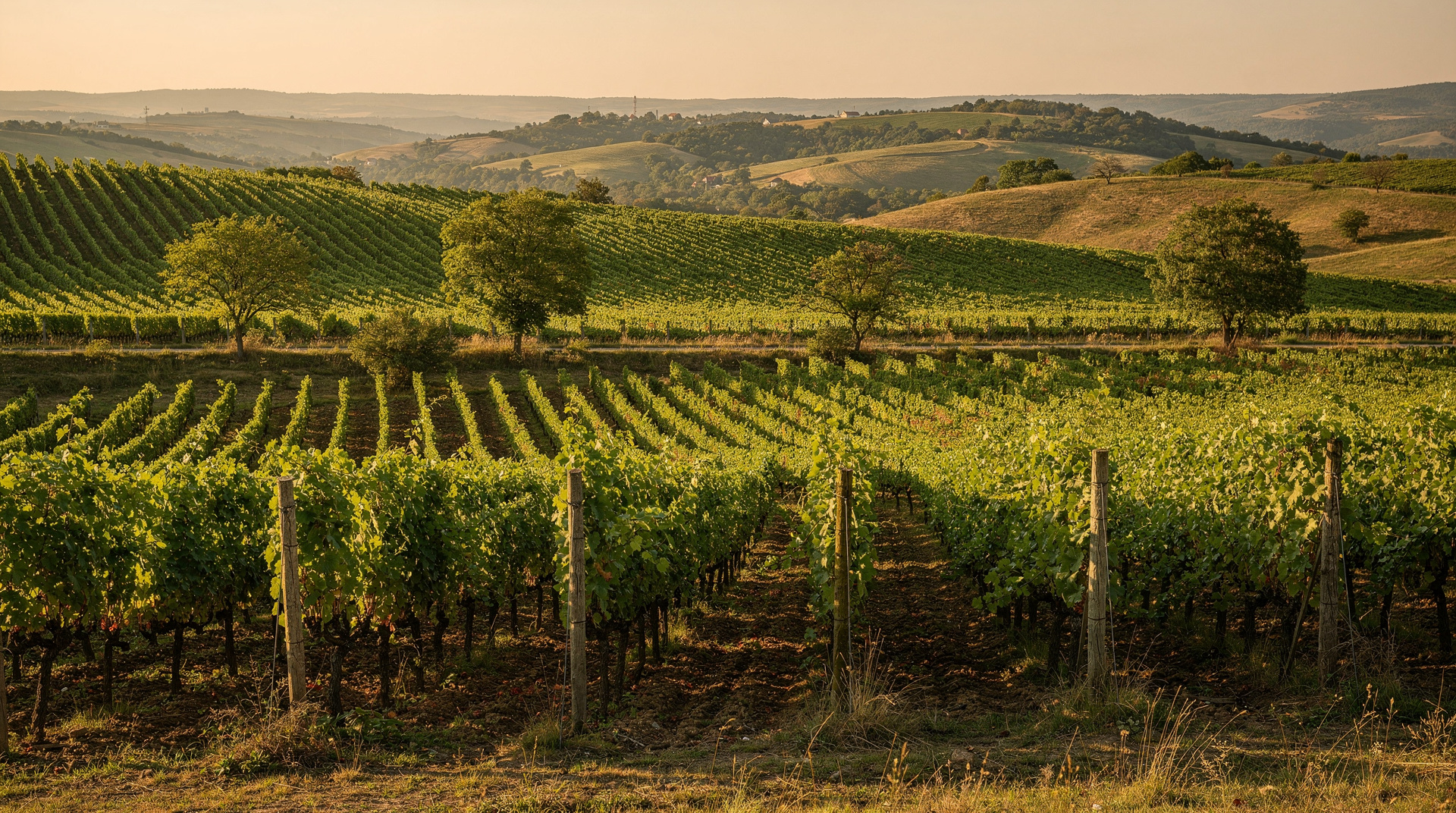
The wine region covers 5 500 hectares of vineyard in north-eastern Hungary, along the Bodrog and Tisza rivers at the foot of the Zemplén hills. The volcanic soil (rhyolite tuff and andesite) gives the wines a distinctive mineral quality. The river confluence creates autumn fog and humidity that encourages the development of Botrytis cinerea — the noble rot fungus that shrivels and concentrates the grapes.
Botrytized grapes (called Aszú berries) are harvested one by one with small combs or by hand, a process that requires multiple passes through the vineyard over several weeks. These berries are then macerated or pressed and added to base wine. The more concentrated the Aszú addition, the richer the final wine — the traditional measure was the number of puttonyos (harvest baskets), with six puttonyos being the richest and rarest. Under current rules, all Tokaji Aszú meets a minimum standard of 120 g/l residual sugar.
Tokaji Eszencia — made from pure botrytized juice without any additional wine — is perhaps the most extreme sweet wine produced anywhere in the world, with sugar levels that make fermentation almost impossible. Tiny amounts of it are blended into some Aszú wines; a bottle of pure Eszencia can cost hundreds of euros.
The rise of dry Tokaj
The Aszú tradition is well-documented, but dry Furmint has quietly become one of Central Europe’s most interesting white wines. Producers like István Szepsy (widely considered the region’s greatest winemaker), Samuel Tinon, and Barta have demonstrated that Furmint’s high acidity and volcanic terroir translate beautifully to dry and off-dry styles. These wines age remarkably well — ten to fifteen years for the finest examples — and have a finesse comparable to Burgundy or Mosel, at prices that are still far below their Western European equivalents.
If you visit Tokaj expecting only sweet wine and find the richness heavy, ask specifically for dry Furmint or Hárslevelű. Most serious estates offer both styles.
If you are new to Hungarian wine in general, the Hungarian wine guide puts Tokaj in context next to the country’s other regions, and the wine tastings in Budapest guide shows how to taste a few of these styles in the capital before you commit to the long trip east. Eger’s red blend is the natural counterpoint to Tokaj’s whites; the Bull’s Blood guide explains it.
How to taste in a Tokaj cellar
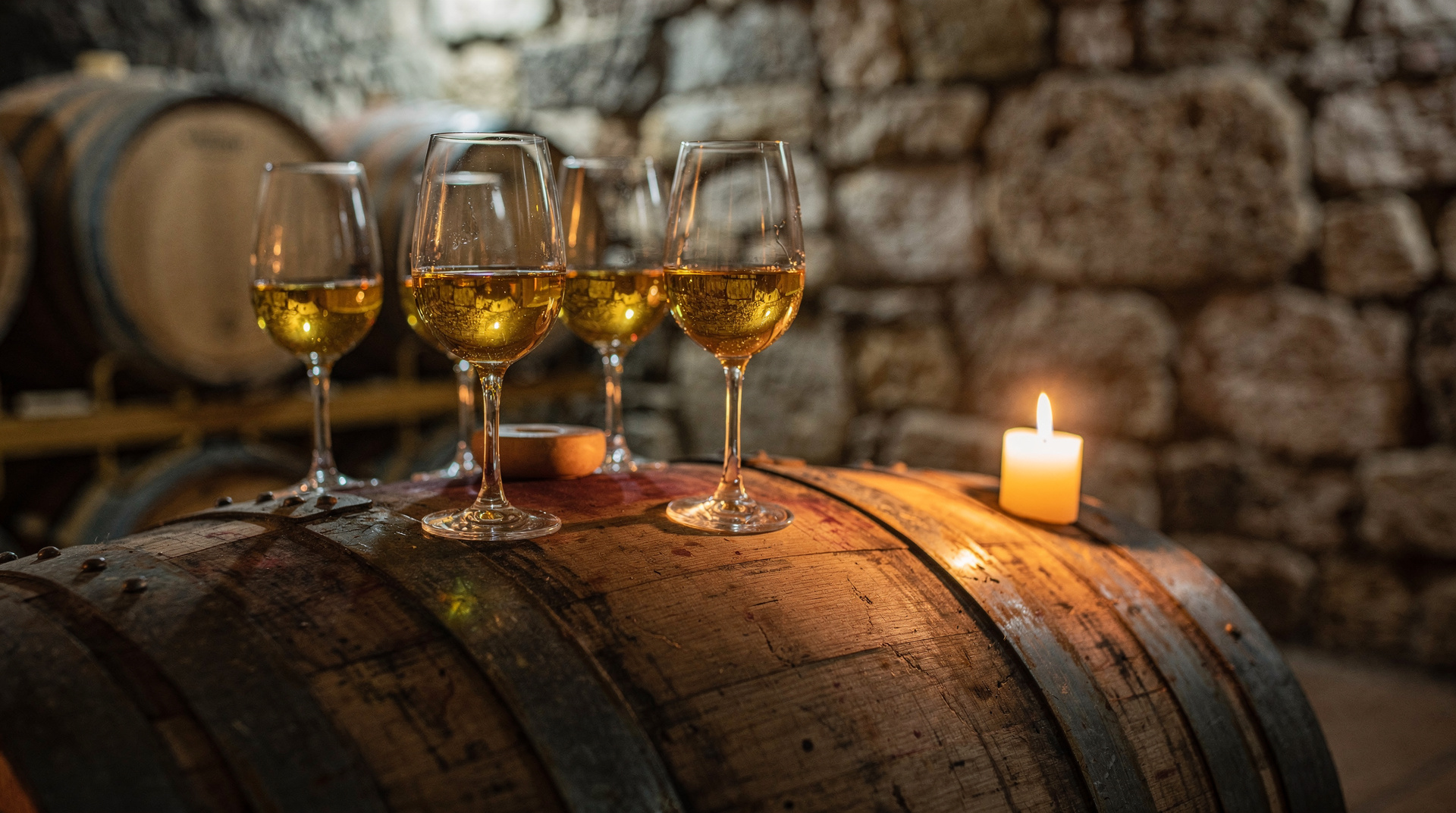
A cellar visit here follows a rhythm that is worth knowing before you arrive. Tastings usually move from dry to sweet: you start with a fresh Furmint or Hárslevelű, move on to off-dry bottles, and finish with Aszú, so that the richest wine does not flatten your palate for the rest. Go slowly, ask the person pouring what they would drink with dinner, and do not feel obliged to finish every glass; spittoons are normal, and they are especially sensible if you are driving or have a train to catch.
The cellars themselves are part of the experience. Cool, damp and dark, with walls furred in a characteristic cellar mould that locals treat as a sign of a healthy cellar, they are carved into the volcanic tuff and feel very different from a modern tasting room. Bring a light layer even in summer, because the temperature drop between the street and the tunnel is sharp. Wear flat, closed shoes: floors can be uneven and damp, and some visits involve steps down into the rock.
Tokaj is also a region where food and wine are meant to be enjoyed together. Sweet Aszú is traditionally served with foie gras, blue cheese or fruit desserts, while dry Furmint suits river fish and richer regional dishes. The traditional Hungarian dishes guide is a useful primer for what to order at lunch in the villages, so that you can match what is on your plate to what is in your glass.
Cellar tours and tastings
The Tokaj wine tour from Budapest is the most comprehensive organized option: transport, guide, and tastings at multiple cellars across a full day. For those who want to go deeper into the cellar culture specifically, the Tokaj classic wine tasting provides a structured cellar session with multiple Aszú vintages, dry wines, and commentary on the production process. The Tokaj vineyard tour and tasting adds a walk through the actual vineyard rows to the cellar experience — excellent at harvest time when the botrytized grapes are visible on the vines.
For a visit that combines wine with the Renaissance castle at Sárospatak, the Tokaj and Sárospatak history and wine tour covers both in a single organized day.
Navigating the wine villages
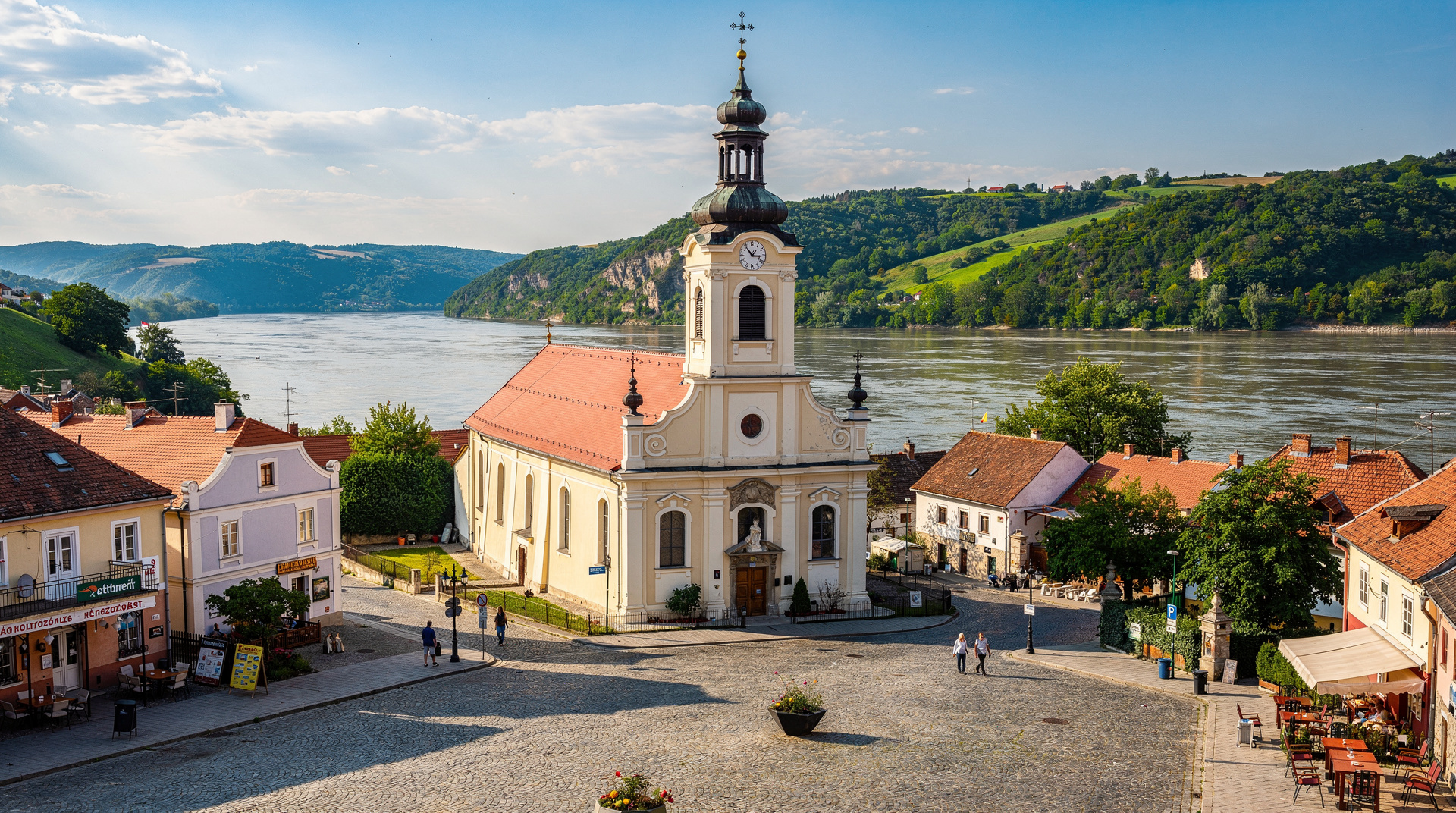
Tokaj town itself is small — a pleasant main square, the confluence of the Bodrog and Tisza rivers visible from the bridge, and a handful of wine cellar tasting rooms within walking distance of the centre. The most famous cellar is the Rákóczi cellar under the main square, with tunnels extending for kilometres into the tuff — a dramatic tasting space regardless of what you drink.
The surrounding wine villages are where the most serious wine tourism happens. Mád (25 km west) is the most atmospheric — a village-scale wine destination with several significant estates (Szepsy, Kikelet, Patricius) on a short walk from the main square. The Calvinist church and the village architecture have barely changed in a century. Tarcal is close to Tokaj town and houses some of the largest estates including Oremus and Disznókő. Tállya is quieter and less visited, with a historic Calvinist church and small-scale producers worth seeking out.
Sárospatak: the castle and the school
Twenty-five kilometres north of Tokaj, Sárospatak was the stronghold of the Rákóczi family — leaders of the Hungarian uprising against Habsburg rule in the early 18th century. The Rákóczi Castle is partly restored and presents the story of the family and the independence movement through well-mounted exhibitions. The Calvinist College (founded 1531) was one of the most important educational institutions in Hungary and the broader Protestant world, and its library holds manuscripts and printed books going back to the 16th century.
The castle-and-wine combination — Sárospatak in the morning, Tokaj cellar in the afternoon — is a satisfying structure for a full day visit.
The Rákóczi story also helps make sense of Tokaj itself, since the same families and the same turbulent period shaped the region’s wine trade and its landscape. If the names are unfamiliar, the Hungarian history primer gives the background in a few pages, and it will make both the castle exhibitions and the cellar guides’ stories much easier to follow. The Tokaj wine day trip guide lays out how a single day can be organised around these stops.
Tokaj compared with Hungary’s other wine regions
| Region | Distance from Budapest | Signature style | Best for |
|---|---|---|---|
| Tokaj | ~240 km | Sweet Aszú, increasingly dry Furmint | Serious wine lovers, UNESCO cellars |
| Lake Balaton (Badacsony/Csopak) | ~120–150 km | Mineral whites (Olaszrizling, Furmint) | Combining wine with a lake holiday |
| Eger | ~130 km | Egri Bikavér (Bull’s Blood) red blend | Closer trip, castle plus wine |
Travellers with limited time often choose between Tokaj and the closer options. See the best day trips from Budapest guide for how all three compare on distance and logistics, and the Tokaj wine region guide for a deeper look at producers and styles once you’ve decided Tokaj is the one worth the extra travel time.
Combining Tokaj with the Great Plain
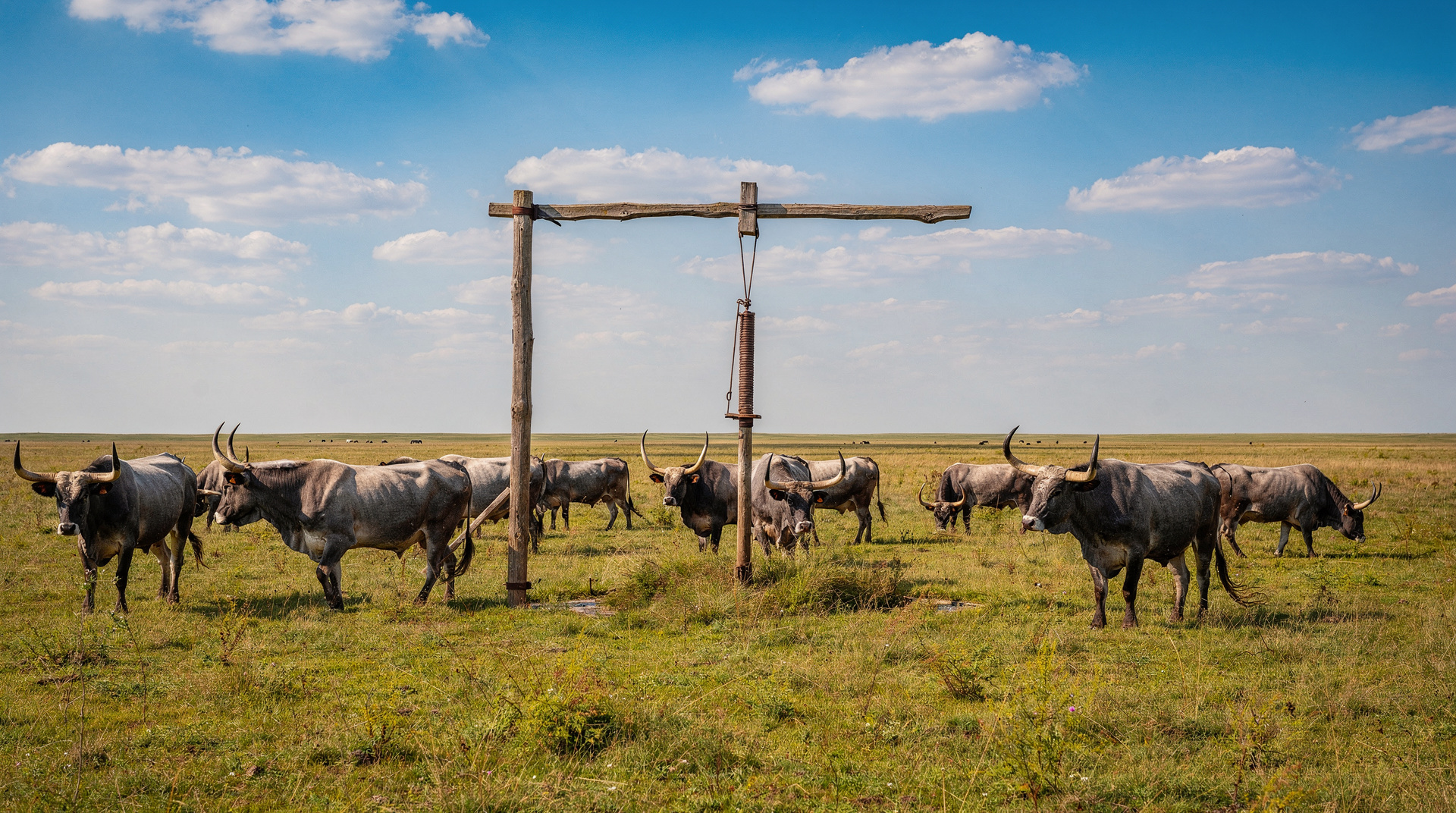
Travellers building a longer eastern Hungary route sometimes combine Tokaj with the Hortobágy Puszta, Hungary’s UNESCO grassland landscape a couple of hours further south — the two make a genuinely varied two- or three-day loop through a part of the country most Budapest visitors never reach: wine cellars one day, horse shows and grey cattle on the Great Plain the next.
Fitting Tokaj into a Budapest trip
Tokaj rarely belongs in a first visit to Hungary. Most people spend their first days in Budapest itself, and only add a long excursion once the main sights are done. If that sounds like you, the Budapest and day trips week itinerary shows how to spread several excursions over a longer stay without exhausting yourself, and the how many days in Budapest guide helps you decide whether you have room for one at all.
Timing matters as much as distance. The best time to visit Budapest and Budapest in autumn guides explain why autumn suits a wine trip so well, and the autumn in Tokaj blog post gives a more personal account of the harvest season. If you prefer a lake setting to a river valley, Lake Balaton offers a gentler, closer alternative for a wine-focused day.
If you plan to finish an evening with something stronger than wine, the pálinka guide covers the fruit spirit you will often be offered at the end of a meal in the countryside.
Getting there
By train: From Budapest Keleti, change at Miskolc for Tokaj; total journey about 2.5 to 3 hours. Intercity trains to Miskolc are fast (1.5 hours) but the Tokaj branch line is slower. Check MÁV schedules carefully — not all Miskolc trains connect well to Tokaj services.
By car: The M3 motorway to Miskolc, then Route 37 east to Tokaj; about 2 hours in normal traffic. Having a car lets you reach the outlying wine villages (Mád, Tállya, Tarcal) easily.
By organized tour: The most practical option for a first visit, especially if you want guided cellar access and don’t want to worry about driving after tasting wine. Tours depart from Budapest early morning and return by evening.
Practical tips
Booking cellars in advance: Even the larger estates benefit from advance booking — visits without reservations can mean long waits or turn-aways in peak season (September–October and summer weekends). Book by email or through the official estate websites.
What to buy: Tokaji Aszú is available in 0.5 litre bottles (the traditional size). A 5-puttonyos or Aszú from a good producer costs roughly 8 000–15 000 HUF (~€20–€37.50) per bottle at the cellar door — considerably less than in Budapest wine shops or internationally. Transport in carry-on luggage is allowed (within EU liquid rules, or in checked luggage).
Best time: September and October are harvest season — the cellars are active, the vineyards are at their most photogenic with golden and botrytized grapes, and many estates hold harvest events. May and June are quieter and beautiful with the vineyards in flower. Winter (November–February) sees many smaller producers closed.
Combine with Eger: Tokaj and Eger form a natural two-day northern Hungary wine and history itinerary. Take an afternoon train from Budapest to Eger, spend the evening in the Valley of Beautiful Women, overnight in Eger, and continue east to Tokaj the next morning. See the best day trips from Budapest for comparative logistics across all regional options, and the eger day trip guide for the Eger half of the itinerary in detail.
Top experiences
Bookable activities with verified prices and instant confirmation on GetYourGuide.