Óbuda and Aquincum — Roman Budapest and old Buda's quiet streets
Discover Óbuda and Aquincum: Budapest's Roman past, the best-preserved civilian settlement in Central Europe, and an authentic old Buda neighbourhood.

Quick facts
- Getting there
- HÉV suburban rail from Batthyány tér to Aquincum station (20 minutes); bus 86 from Batthyány tér. Or cycle the Danube path from central Buda.
- Aquincum Museum
- Open-air archaeological site plus indoor museum. Entry ~3 500 HUF (~€9) adults. Closed Mondays.
- Óbuda town square
- Fő tér in old Óbuda is a pleasant Baroque square with good restaurants — undervisited and refreshingly non-touristy.
- Kobuci Garden
- A popular outdoor music venue on Kobuci utca, open May–September with regular concerts and events.
- Cycling
- The Danube cycle path runs directly through Óbuda — an excellent day-trip by bike from central Budapest.
The Budapest that tourists rarely reach
Most Budapest itineraries run between Castle Hill, Parliament, the Jewish Quarter and the baths. A smaller number of visitors get to City Park or Margaret Island. Óbuda — the third part of the triple city that merged in 1873 to form modern Budapest — is somewhere that the majority of tourists never reach. This is partly its appeal.
District III stretches north along the Buda bank from Margaret Island, encompassing old Óbuda (a small Baroque town square that predates the Austrian imperial transformation of the rest of the city), the Roman civilian settlement of Aquincum, and a run of 20th-century suburban developments that blend into the Danube cycle path running toward Szentendre.
The combination — authentic neighbourhood, significant archaeology, good cycling and a summer outdoor music venue — makes for a half-day that functions as a counterweight to the standard Budapest circuit. Come here for a sense of the city’s deeper layers.
| Where | District III, north of Margaret Island along the Buda bank |
| Cost | Aquincum Museum ~3 500 HUF; Fő tér and amphitheatre free |
| Time needed | Half a day |
| Getting there | HÉV from Batthyány tér (~20 min); bus 86; or cycle the Danube path |
| Best time | May–October for the open-air museum and Kobuci Garden |
Aquincum — the Roman city on the Danube frontier
In the first century AD, Roman engineers identified the hot springs on the Buda bank of the Danube and established a military camp (castra) on the site. By the reign of Emperor Hadrian (117–138 AD), the settlement had grown into a colonia — a city of Roman citizens — with a population of 30 000–40 000, a forum, an amphitheatre, public baths fed by the thermal springs, a market hall, workshops and residential blocks.
The civilian town at Aquincum is the best-preserved of its type in the former Roman province of Pannonia. The open-air site occupies several hectares beside the HÉV suburban railway line and gives a clear picture of late Roman provincial city planning: the forum at the centre, the arterial roads, the bathhouse heated by a hypocaust system still visible in the floor sections, the city’s water supply channels.
The indoor museum — built over part of the excavation — holds the most significant finds: floor mosaics lifted from the site, portrait sculpture, pottery, coins, military equipment and the remarkable hydraulis. The hydraulis is a reconstruction of a Roman water organ whose original bronze pipes were discovered in 1931 during a building excavation nearby — it is the most significant Roman musical instrument to survive anywhere in the former empire, and the museum’s reconstructed instrument actually plays. The inscription recording its donation to the collegium (a trade guild) by a military officer in 228 AD is displayed alongside it.
Entry to the Aquincum Museum is around 3 500 HUF (~€9) for adults; closed Mondays. Allow 1.5–2 hours for the site and indoor museum. The Roman Military Amphitheatre (a second, smaller site nearby on Nagyszombat utca) can be visited separately — it is free, open air, and shows the arena where gladiatorial contests were held for the legionary garrison.
Old Óbuda — Fő tér and the Baroque town
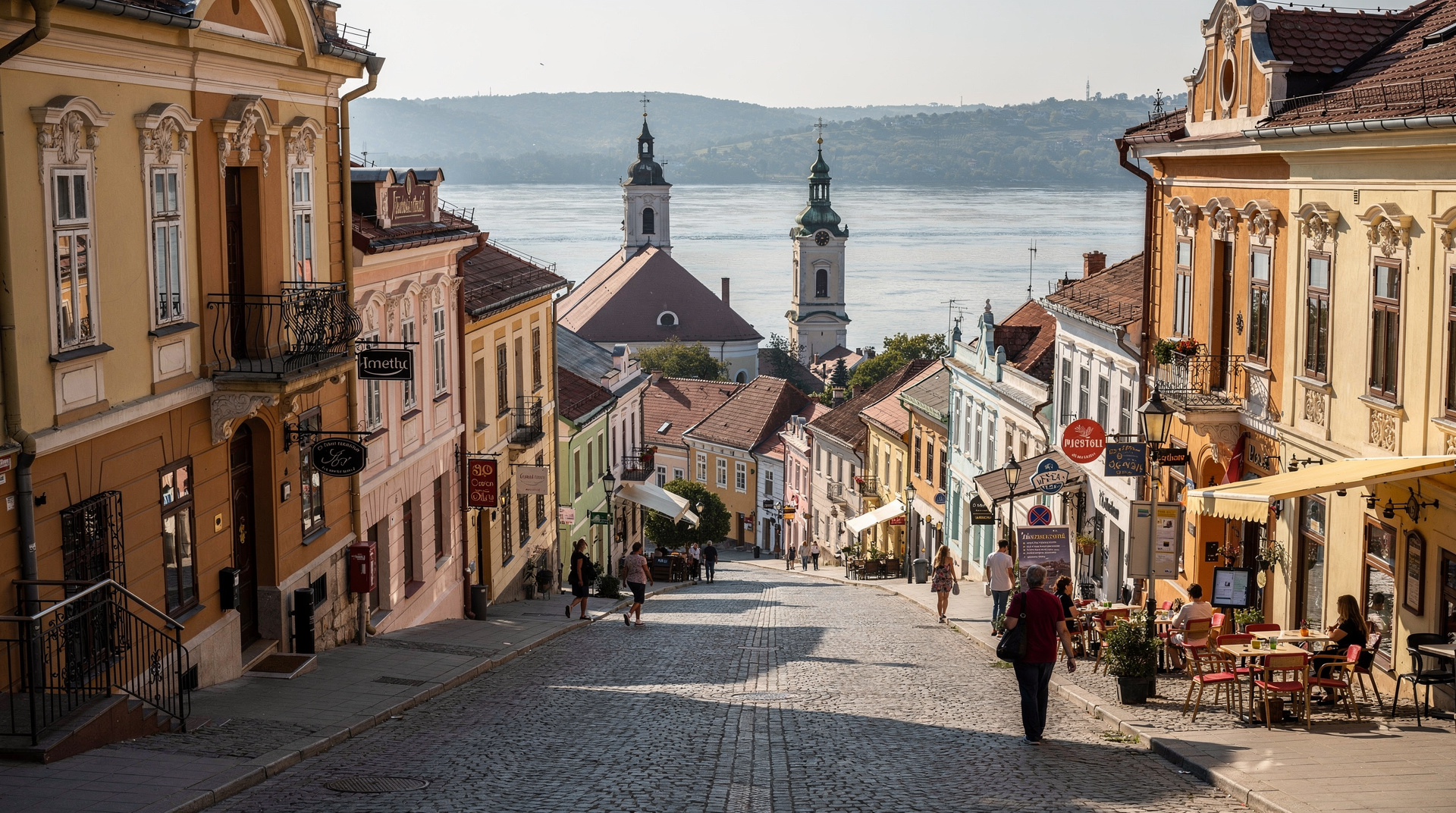
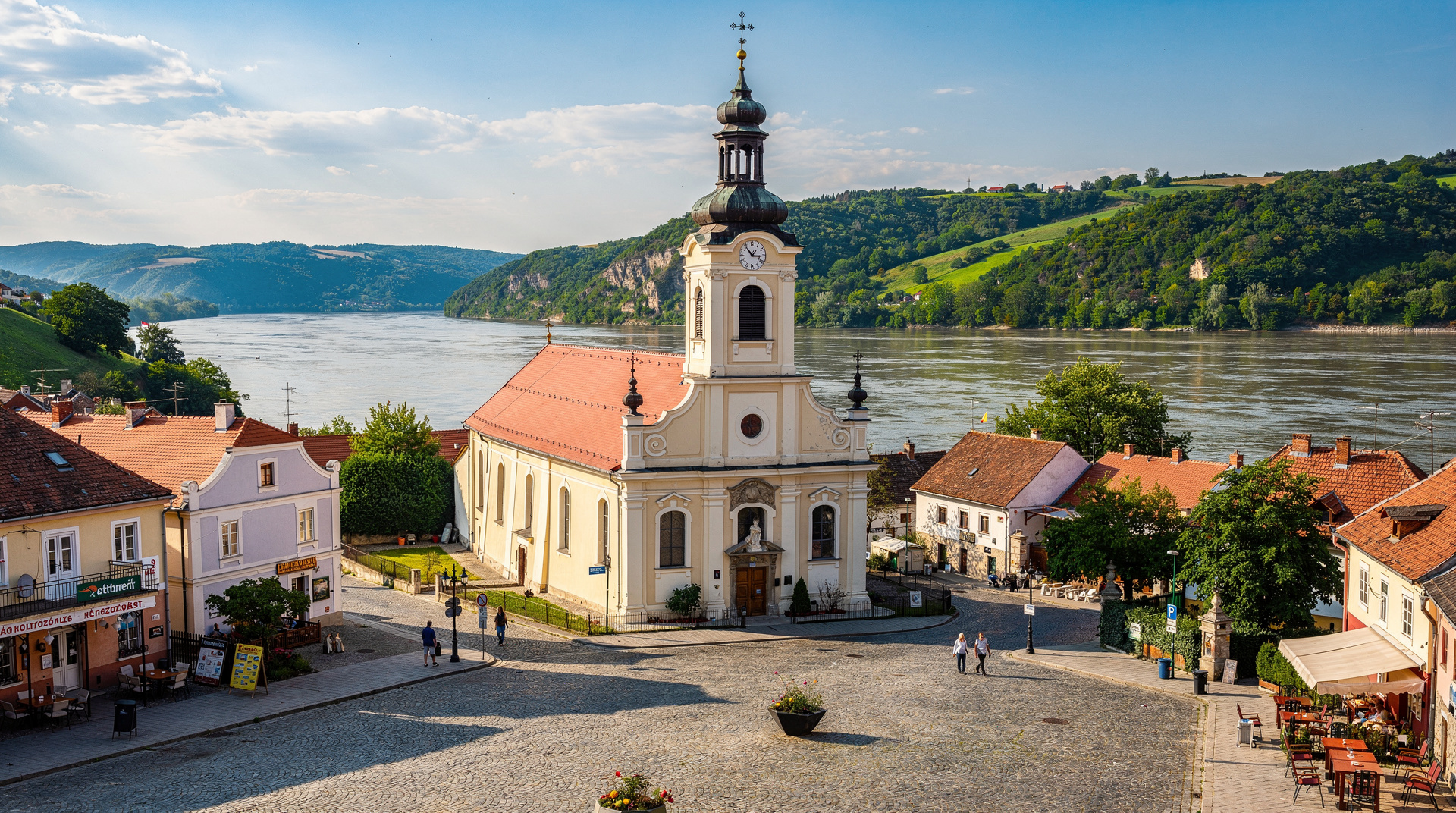
Before Budapest merged its three parts in 1873, Óbuda was a small market town with a Baroque main square (Fő tér) of modest but genuine charm. The square survived the mid-20th-century redevelopment that replaced much of the surrounding area with socialist-era housing blocks, and it now sits incongruously at the centre of a district that is otherwise architecturally undistinguished.
Fő tér holds two excellent museums. The Zsigmond Kun Folk Art Museum occupies the ground floor of a Baroque mansion and displays one of Hungary’s best private folk art collections — embroidered textiles, painted furniture, carved wooden tools and ceramics from Hungarian villages across the Carpathian Basin. Entry is modest; the collection is outstanding and completely unattended by the tourist infrastructure that has grown up around the standard city-centre sights.
The Kiscelli Museum, a short uphill walk from the square in a former Trinitarian monastery, covers Budapest’s history from the 18th century through the communist era with particular depth. The stone Gothic church incorporated into the monastery has been used for contemporary art exhibitions; the combination of setting and content is one of Budapest’s more unusual museum experiences.
For lunch or dinner, Fő tér has several restaurants without tourist-trap pricing. Kehli Vendéglő (Mókus utca 22, slightly off the square) is a Budapest institution serving traditional Hungarian cooking — bone marrow, goulash, catfish paprikash — at prices that have barely moved in a decade: mains around 3 500–6 000 HUF (~€8–15). It has been in continuous operation since 1906.
The Buda old town walking tour
The Buda old town secrets walking tour covers the quieter, less-visited sections of the Buda hillside including sections of Óbuda that are off the standard tourist route — the courtyards behind Fő tér, the network of lanes that predate the Habsburg-era urban planning, and the specific architectural layers that distinguish the oldest parts of Buda from the 19th-century reconstruction.
This tour works well as a complement to the Castle District visit rather than a replacement — the two areas are contiguous and the guide can connect them thematically.
Cycling the Danube path
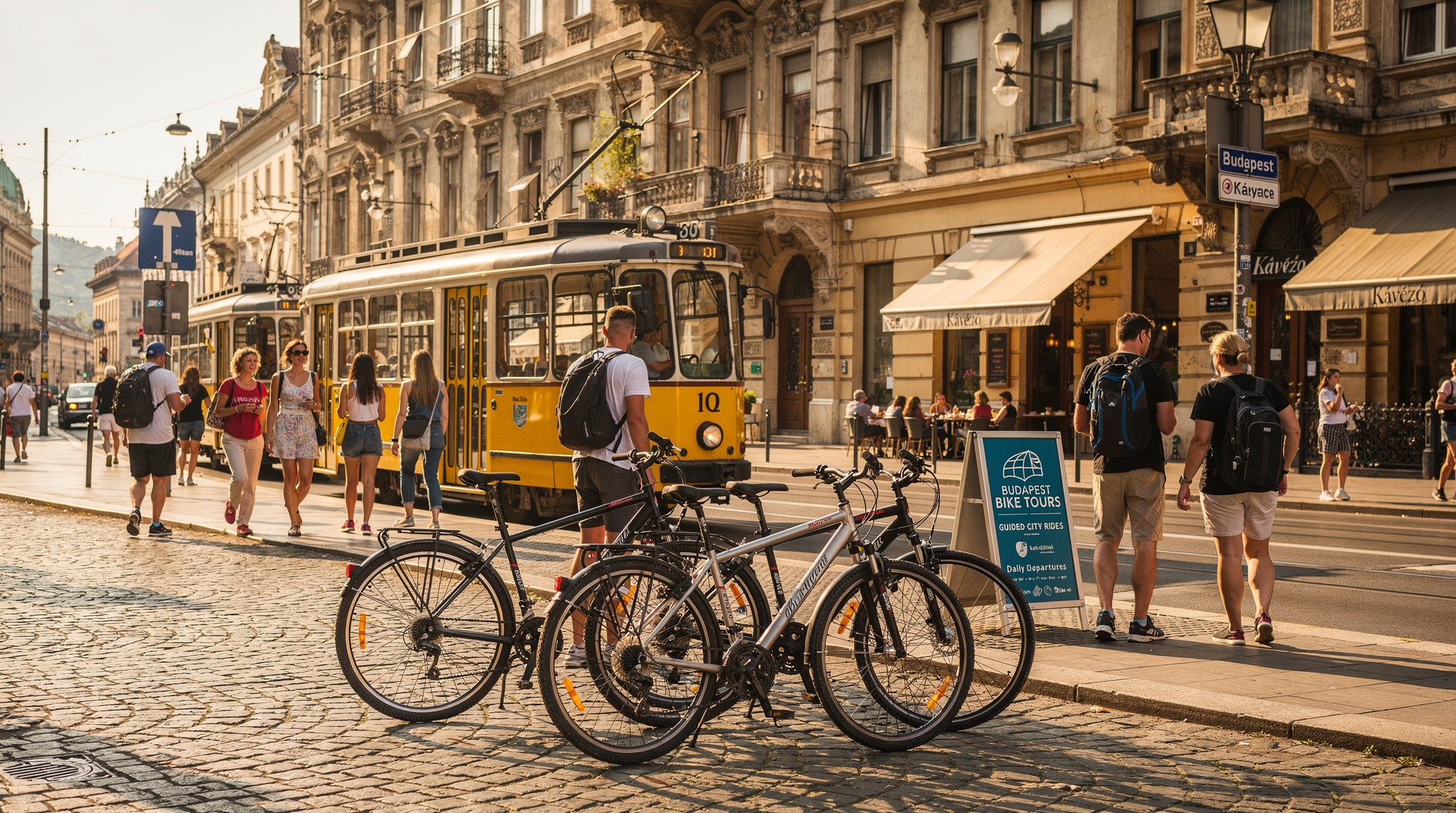
One of the best things to do in Óbuda requires doing almost nothing else: getting on a bicycle and following the Danube north. The cycle path from central Buda (Batthyány tér area) runs through Óbuda and continues northward past Aquincum and eventually toward Szentendre, 20 kilometres from the city.
The grand Budapest sightseeing bike tour includes sections along the Danube and through the Buda bank neighbourhoods — a good way to cover the ground without navigating independently. For self-guided cycling, bikes are available from MOL Bubi stations throughout the city; the Óbuda section is flat and well-signed.
The ride from the Chain Bridge to Aquincum takes about 40–50 minutes at a comfortable pace, passing through the Árpád Bridge area and the northern Buda riverbank. Return via HÉV (take the bike onto the train for a 20-minute return to Batthyány tér) or cycle back for a gentle 2-hour round trip.
Kobuci Garden — a summer Budapest original
On Kobuci utca, a few streets east of the Danube path, the Kobuci Garden is a large outdoor cultural venue that operates from May through September. Concerts, theatre performances, outdoor cinema and food markets take place here on a near-nightly basis during summer; the programme leans toward Hungarian indie music, jazz and folk, with occasional larger names.
The setting — a walled garden with fairy lights, food stalls and a relaxed local crowd — is one of the more genuinely local summer venues in Budapest. Ticket prices are modest (usually 2 000–4 000 HUF/~€5–10 for concerts). Check the Kobuci website for the current programme before visiting.
Shaping a half-day in District III
The district rewards a loose plan rather than a tight schedule. A sensible order is to start with the Roman ruins while your energy is fresh, move on to the Baroque square for a long lunch, and keep the museums or the riverside for the afternoon. The ruins are largely open-air, so a clear morning suits them far better than a wet or very hot afternoon, and the indoor museum is a good fallback if the weather turns.
Getting around is simple. The suburban rail line and the buses described in getting around Budapest connect the main stops, and a standard public transport ticket covers the ride out from the centre. If you are building a pass strategy for the whole trip, the BKK travel passes guide explains how a day out here fits with the rest of your movements. Some visitors also look at the Budapest Card, and the Budapest Card sightseeing pass is worth weighing only if you are also packing in several central attractions on the same days; for a quiet district like this one, it is rarely the deciding factor.
Wear comfortable shoes. The archaeological site involves uneven ground and a good deal of walking between the ruined buildings, and the lanes around Fő tér are cobbled in places. Bring water in summer, since shade among the ruins is limited, and allow time to simply sit on the square with a coffee once the museums are done. The point of coming here is the slower pace, so resist the urge to tick off every stop.
Reading the Roman layers
It helps to arrive at Aquincum with a few ideas in mind. First, this was a frontier city: the military and civilian worlds sat side by side, and the museum makes more sense when you think of the town as serving the garrison nearby. Second, much of what you see is foundations and floor plans rather than standing buildings, so a little imagination is required. Look for the street grid, the heating channels under the floors and the water supply lines, and try to picture the forum as a busy marketplace rather than a field of low walls.
Third, the finds inside the museum tell you what the walls cannot. Everyday objects — pottery, tools, small personal items — often say more about daily life than the grand sculpture does. Spend time at the cases that show how ordinary residents cooked, traded and worshipped. If you are interested in how the Roman story links to later centuries, the Hungarian history primer gives the wider timeline, and the Budapest Castle District guide picks up the story in the medieval and later layers of Buda.
Pairing Óbuda with other Buda sights
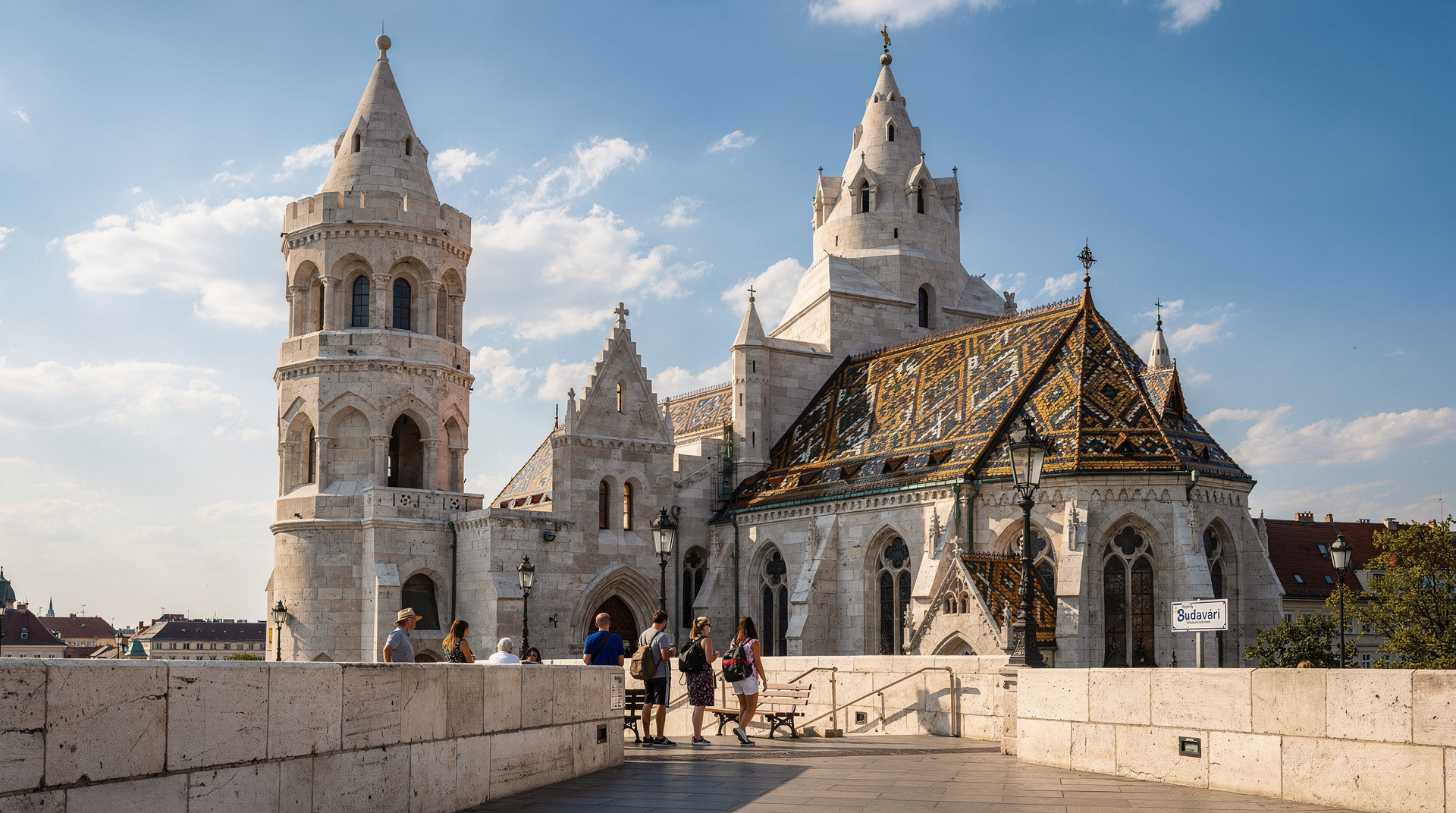
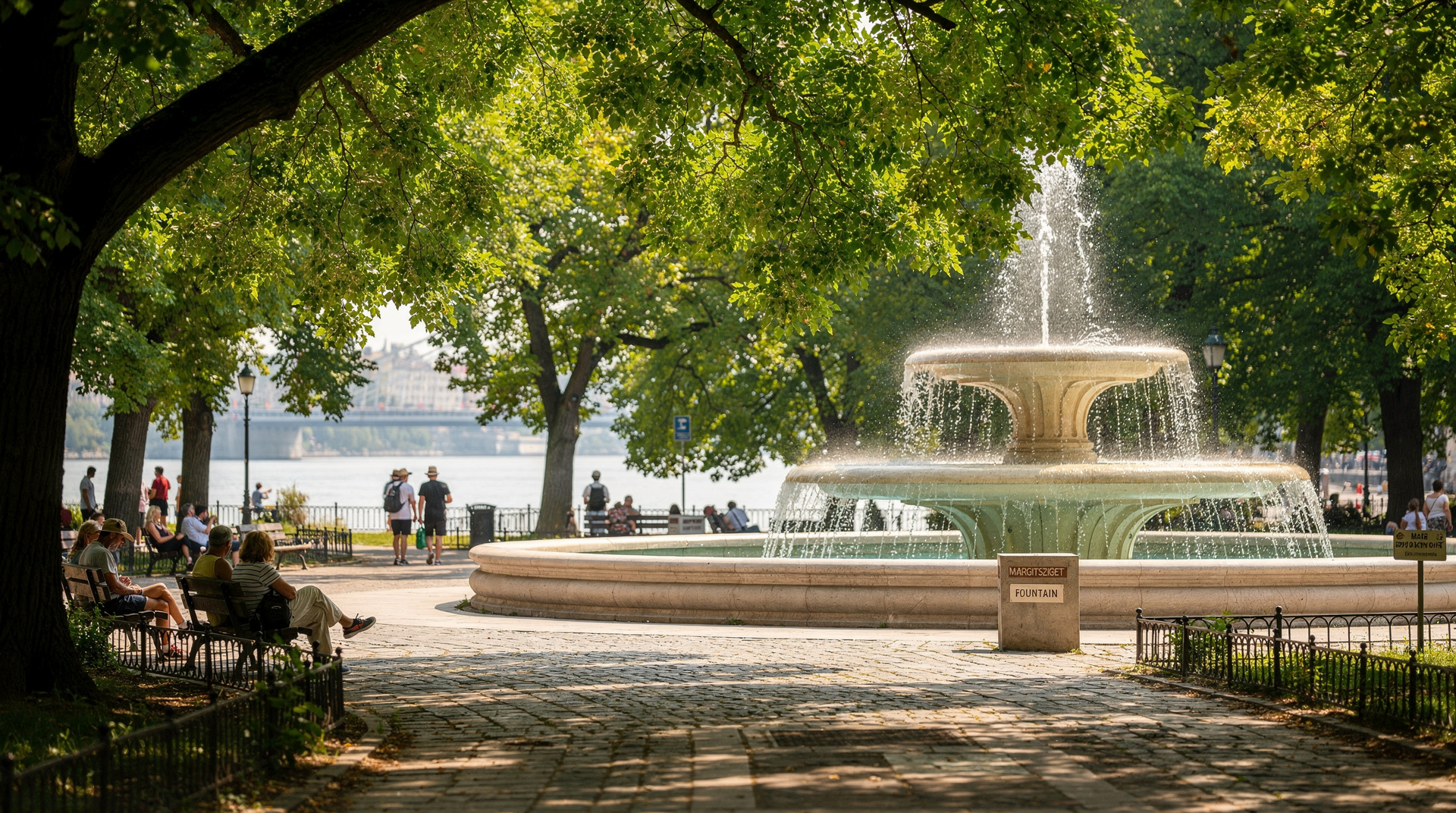
Because the district sits on the Buda bank, it combines naturally with other places on that side of the river. A morning at the ruins can be followed by an afternoon on Gellért Hill and the Citadella or a slow walk up to Fisherman’s Bastion and Matthias Church, though doing all of that in one day would be tiring. A better pairing for a relaxed day is a stroll on Margaret Island on the way back.
If you would rather have a guide connect the hillside districts for you, a historian-led walk around Buda Castle sets the Roman and medieval stories side by side, which suits visitors who want the deeper context before or after heading out to the ruins. For a lighter, more physical way of seeing the riverbank, the bike tours in Budapest overview compares the main options.
Who will enjoy this district most
History-minded travellers are the obvious audience, but they are not the only one. Cyclists enjoy the flat riverside path, photographers like the mix of Roman stone, Baroque facades and socialist-era blocks, and anyone tired of crowded central streets will appreciate the calm. Families with curious children can make a good morning of the open-air site, since there is room to roam, though younger children may lose interest in the indoor galleries; the family-friendly attractions guide lists other options if you want to balance the day.
It is a poorer fit for travellers on a first short visit, or for those who want nightlife and dining density. If that sounds like you, the first time in Budapest guide and the top attractions in Budapest will serve you better, and you can return to Óbuda on a later trip.
Comparing Óbuda with Budapest’s other Roman-era sites
Aquincum is by far the most substantial Roman site accessible in Budapest, but it isn’t the only reminder of the city’s classical past. The Castle District sits above medieval and later layers with little visible Roman fabric, and the main city baths — including Gellért and Rudas — occupy hot springs the Romans themselves exploited, though the current buildings are Ottoman and 20th-century. For visitors specifically chasing Roman history, Aquincum is the one essential stop; everything else in the city is a much later structure built over the same thermal geology the Romans first tapped two thousand years ago.
Óbuda and Aquincum in context
This district works best for travellers who have covered the central Budapest sights and want to go deeper — either into the city’s Roman past or into the texture of a neighbourhood that functions without tourist infrastructure. It connects logically to a day trip toward Szentendre, which lies 20 kilometres further north along the Danube Bend and is reachable by HÉV from Batthyány tér.
For the broader context of how Budapest’s districts relate to each other, see the Budapest neighborhoods guide and the best day trips from Budapest. If you plan to cycle onward, the route continues naturally toward Szentendre along the Danube Bend, and Margaret Island makes a pleasant stop on the return leg back toward the city centre.
Top experiences
Bookable activities with verified prices and instant confirmation on GetYourGuide.