Budapest Zoo and Botanical Garden: the complete visit guide

Is the Budapest Zoo worth visiting?
Yes. The Budapest Zoo is one of Central Europe's finest urban zoos, set in beautifully maintained grounds with Art Nouveau architecture. Entry is affordable, the animal collection is varied, and its location beside Széchenyi Baths in City Park makes it easy to combine with other attractions. Budget 2–4 hours for the visit.
The Budapest Zoo in honest detail
The Fővárosi Állat- és Növénykert (Budapest Zoo and Botanical Garden) has been in City Park since 1866, making it one of Europe’s oldest urban zoos. The age shows in the best possible way — the original Art Nouveau buildings, including a spectacular elephant house with Zsolnay ceramic tiles and a palm house with a wrought-iron and glass roof, are genuine architectural landmarks. The zoo is worth visiting partly for the animal collection and partly for the buildings themselves.
| Where | Állatkerti körút 6–12, City Park, District XIV |
| Cost | Around 4,400 HUF adult / 3,000 HUF child |
| Time needed | 2–4 hours |
| Getting there | Metro M1 to Széchenyi fürdő, 2-minute walk |
| Best time | Weekday mornings; avoid weekend afternoons in July–August |
What to see inside
The animal collection
The zoo holds over 1,000 animal species across six main sections:
Big cats and carnivores: The lion and tiger enclosures are well-maintained with reasonable space. Snow leopards are a highlight — one of the more impressive European zoo collections. The bear enclosures vary in quality; the polar bear exhibit is particularly popular.
Primates: A large gorilla troop, chimpanzees, orangutans, and various smaller monkey species. The primate house is indoor-outdoor and gives good viewing opportunities year-round.
Elephants and large mammals: The Art Nouveau elephant house is architecturally unmissable — Zsolnay majolica tiles on the facade make it look more like a museum than an animal enclosure. The elephants are housed in a modern section behind the historic building.
Reptile and amphibian house: Well-presented collection of crocodiles, large constrictors, tortoises, and amphibians. Popular with children who have a strong tolerance for reptiles; worth around 30 minutes.
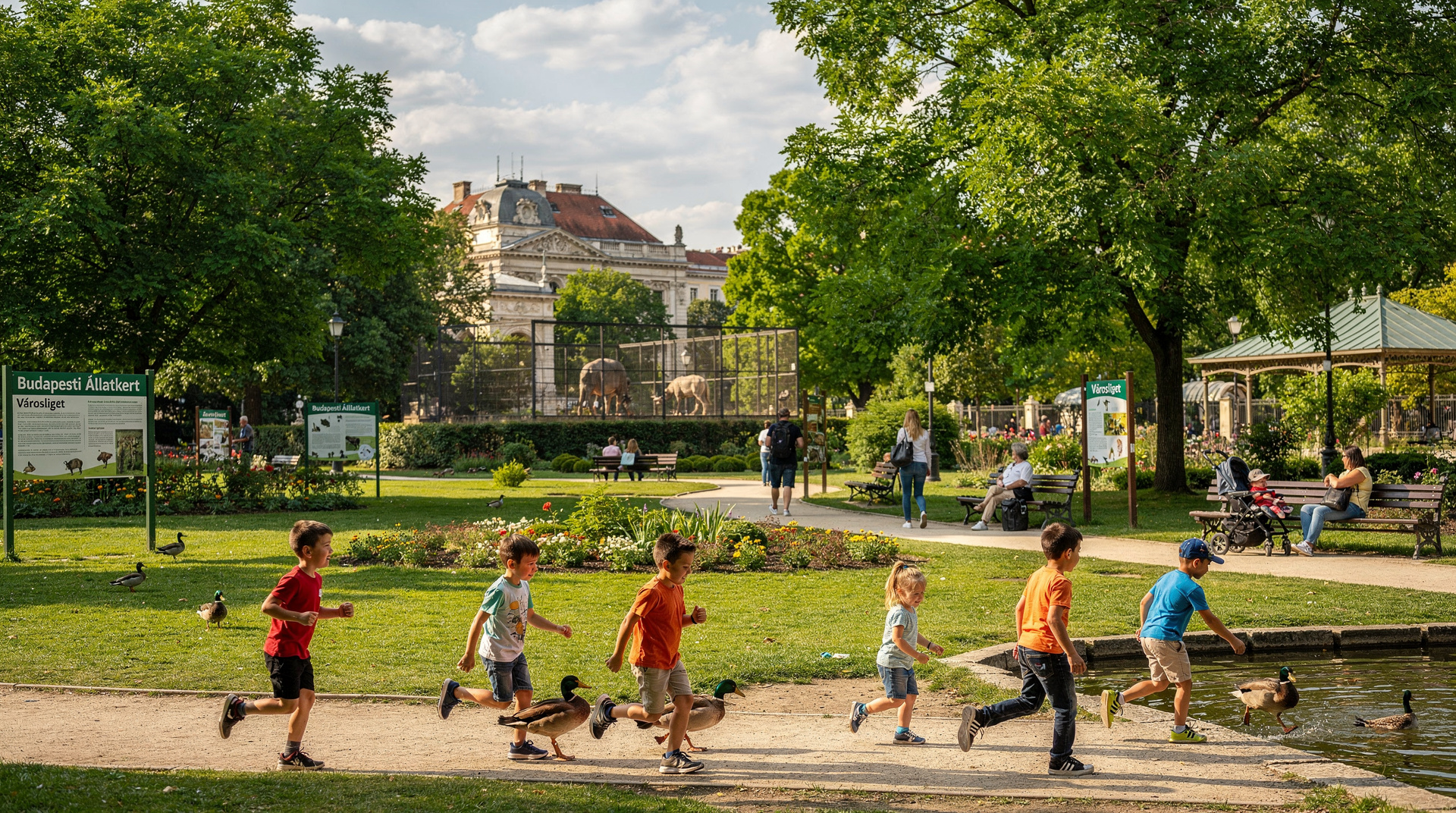
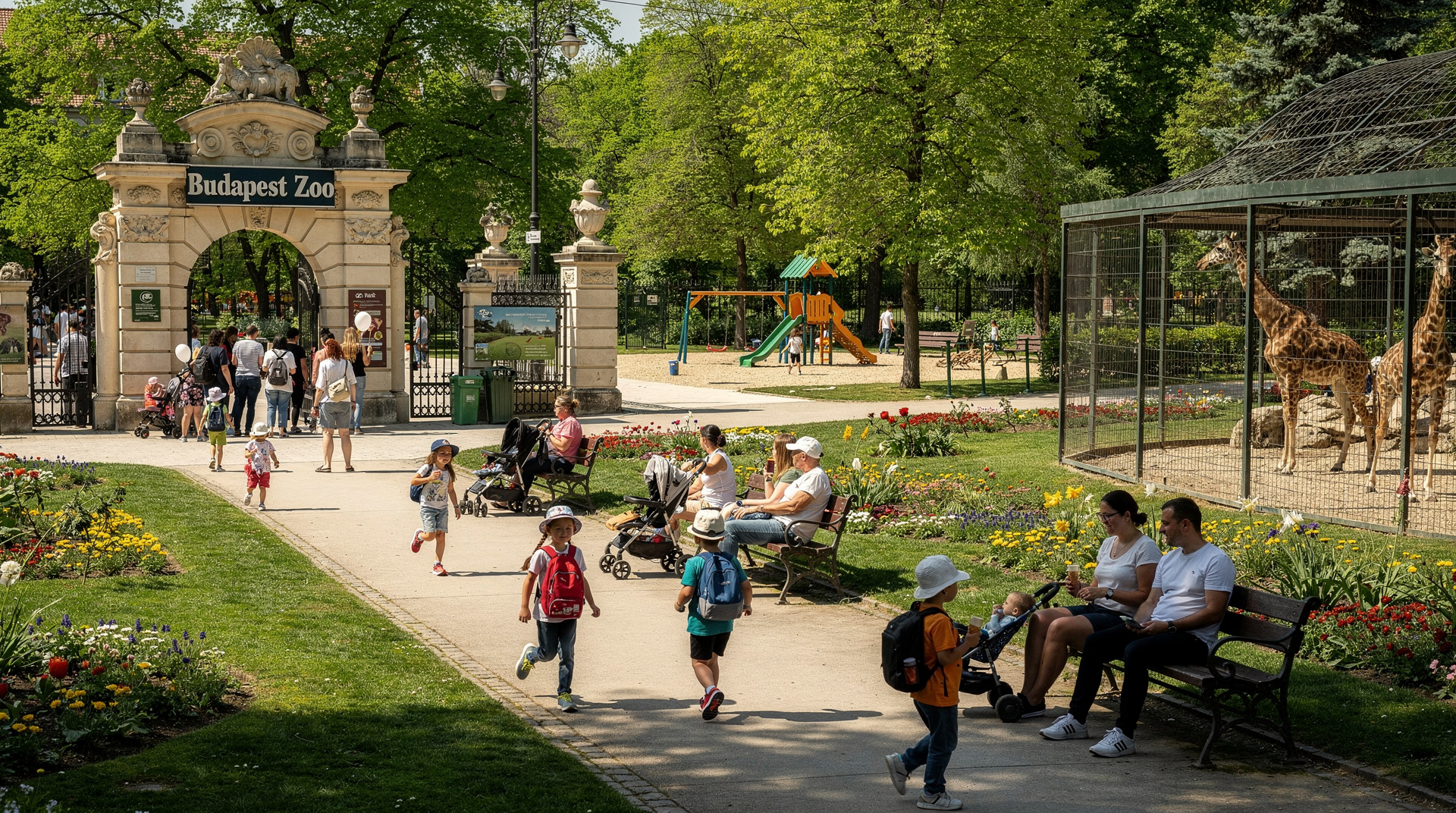
Birds: Walk-through aviary and separate enclosures for birds of prey, flamingos, and water birds. The flamingo pool near the main entrance is photogenic.
Aquarium section: The zoo’s aquarium section is modest — a series of tanks with freshwater and marine species. For a more impressive aquarium experience, the Tropicarium at Campona Mall is a better option (though much further south of the city centre).
Botanical garden: Integrated throughout the grounds — flowering displays, a Japanese garden section, a cactus house, and the large palm house (Pálmaház). The palm house is particularly impressive in winter, when tropical plants contrast with the cold outside.
Architecture highlights
The zoo is unusual among European zoos in having a substantial collection of Art Nouveau and Secession-style buildings designed by Kornél Neuschloss-Knüller and decorated with Zsolnay ceramic work. Even visitors with no particular interest in zoos tend to find the buildings worth their attention.
Key architectural highlights:
- Állatkert főkapu (main gate): the giraffe reliefs on the Secession-style entry gate announce the zoo’s character immediately
- Elephant House (Elefántház): the standout building — dome, Zsolnay tiles, mosaic decorations
- Palm House (Pálmaház): Victorian iron-and-glass construction with tropical planting
- Bear Crater (Mackók sziklája): naturalistic rock-style enclosure, early 20th century
How to plan your visit
Duration
Budget 2–4 hours depending on the pace and the children’s ages. Toddlers tire faster; school-age children with genuine animal interest can sustain 3–4 hours comfortably. The grounds are not enormous — it is possible to cover everything in two hours if you move steadily.
Route
A rough logical route: main gate → elephant house → big cat section → primate house → reptile house → aquarium → aviary → flamingos → botanical garden and palm house → bear section → exit. Total walking distance approximately 2 km.
Food and drink inside the zoo
The zoo has several kiosks selling hot food, snacks, ice cream, and drinks at typical tourist-attraction prices. A hot dog or sausage runs around 1,500–2,500 HUF; ice cream 500–800 HUF. Families who want a proper lunch are better off eating before entering or after exiting — City Park has more options at lower prices. There is a café near the main entrance with seating.
Toilets
Facilities are distributed throughout the grounds and are generally clean. Check the map on entry for locations.
Feeding times and keeper talks
Several sections run scheduled feeding sessions and short keeper talks, typically posted on a board near the main entrance on the day — times shift seasonally, so treat any online listing as approximate. Sea lion and seal feeding tends to draw the biggest crowd and is worth planning your route around if the day’s schedule includes it. The reptile house occasionally runs feeding demonstrations for larger snakes, though not daily. Arrive at the noticeboard early in your visit to build a rough timeline around whichever sessions are running that day, rather than trying to reverse-engineer the zoo’s route around them in advance.
Making the day work with young children
A zoo visit goes better when it is planned around the children rather than the map. Start with the animals your family cares about most and let the rest follow; there is no prize for seeing every enclosure. Younger children usually peak early, so put the big attractions first and leave the quieter botanical corners for when energy dips. Pack layers, a refillable bottle and a few snacks, and agree on a meeting point before anyone wanders off in a crowd.
If you are travelling with a stroller, the main paths are broad and easy to follow, and the park setting keeps the walk pleasant. For wider planning around babies and toddlers, Budapest with kids covers the practical side of the whole city, and family-friendly attractions lists alternatives if the weather or moods turn.
Who gets the most out of it
Animal-obsessed children are the obvious audience, but the zoo suits other visitors too. Photographers enjoy the Secession buildings and the glasshouse light. Architecture fans can treat the grounds as an open-air museum of ceramic work, in the same spirit as the city’s wider Art Nouveau heritage. Grandparents travelling with grandchildren often like the unhurried pace and the benches dotted along the paths. Couples without children can still make a relaxed morning of it, especially outside school holidays.
Fitting the zoo into a longer stay
The zoo works best as one anchor in a day rather than the whole day. In City Park it sits close to several other sights, so it is easy to build a relaxed itinerary around it. If you only have a short stay, the one-day plan will show you where a morning in the park could fit alongside the headline sights. With more time, the three-day family itinerary gives the zoo a natural slot on a day that also includes bathing.
For the wider neighbourhood, the City Park destination page explains what else the green space offers, and the Heroes’ Square and City Park guide covers the monuments and walks nearby. If you plan to use public transport for several days, BKK travel passes explains the options, and the metro guide helps with the yellow M1 line that serves the park.
Best months to visit the zoo
| Season | Conditions | Crowd level |
|---|---|---|
| Spring (Apr–May) | Mild, animals active, gardens blooming | Moderate |
| Summer (Jun–Aug) | Hot, some animals less visible in shade | High, especially weekends |
| Autumn (Sep–Oct) | Comfortable, good light for photos | Low–moderate |
| Winter (Nov–Mar) | Cold but palm house is a warm highlight; some outdoor enclosures quieter | Low |
Spring and early autumn give the best balance of animal activity and manageable crowds. Winter visits are underrated for the Pálmaház alone — stepping from freezing air into tropical humidity is a genuine highlight for children, and it pairs naturally with a warm-up at Széchenyi Baths afterwards. For a broader seasonal picture of the city, see Budapest in winter and Budapest in summer.
Practical logistics
Getting there:
- Metro M1 (yellow line) to Széchenyi fürdő: 2-minute walk to the zoo entrance
- Metro M1 to Hősök tere (Heroes’ Square): 5-minute walk
- Bus 72 or 75 to nearby stops
- The hop-on hop-off bus stops at City Park
Ticket purchase: Buy at the main gate or online at zoobudapest.com. There are no significant queue issues except on weekend afternoons in peak summer (July–August). Cash and card accepted at the gate.
Budapest Card: Budapest Card holders receive a discount on zoo entry. Check the Budapest Card’s current benefit list at /guides/budapest-card-guide/ — discounts vary by card duration.
Combining the zoo with other City Park attractions
City Park is Budapest’s most activity-dense area for families. The zoo sits within a cluster of other attractions:
Széchenyi Thermal Bath (2-minute walk): The most natural combination with the zoo. Morning at the zoo, afternoon at the baths. Book Széchenyi day tickets online to avoid queues, which peak in summer.
Szamos Chocolate Museum (5–7 minute walk): Small museum with a children’s workshop — ideal for an hour in the late afternoon. Chocolate museum tickets with tasting should be pre-booked on weekends.
Vajdahunyad Castle (10-minute walk): Free to walk around — the neo-Gothic, Romanesque, and Baroque pastiche castle is photogenic and children enjoy the moat area. The small agricultural museum inside has modest entry charges.
Heroes’ Square (5-minute walk from the main zoo gate): Free, open space with the Millenary Monument. See /guides/heroes-square-and-city-park/ for the full area guide.
Hop-on hop-off bus: The hop-on hop-off bus stops at City Park, making it easy to continue to the Castle District or Parliament after a morning in the park.
After the zoo: easy ways to end the day
Once the animals have been seen, the simplest option is to stay in the park and let the afternoon unfold. A soak at the baths is the classic follow-up, and the Széchenyi vs Gellért vs Rudas comparison helps if you are weighing which bath suits your group. If the children still have energy, a gentle stroll toward Vajdahunyad Castle costs nothing and ends well with an ice cream.
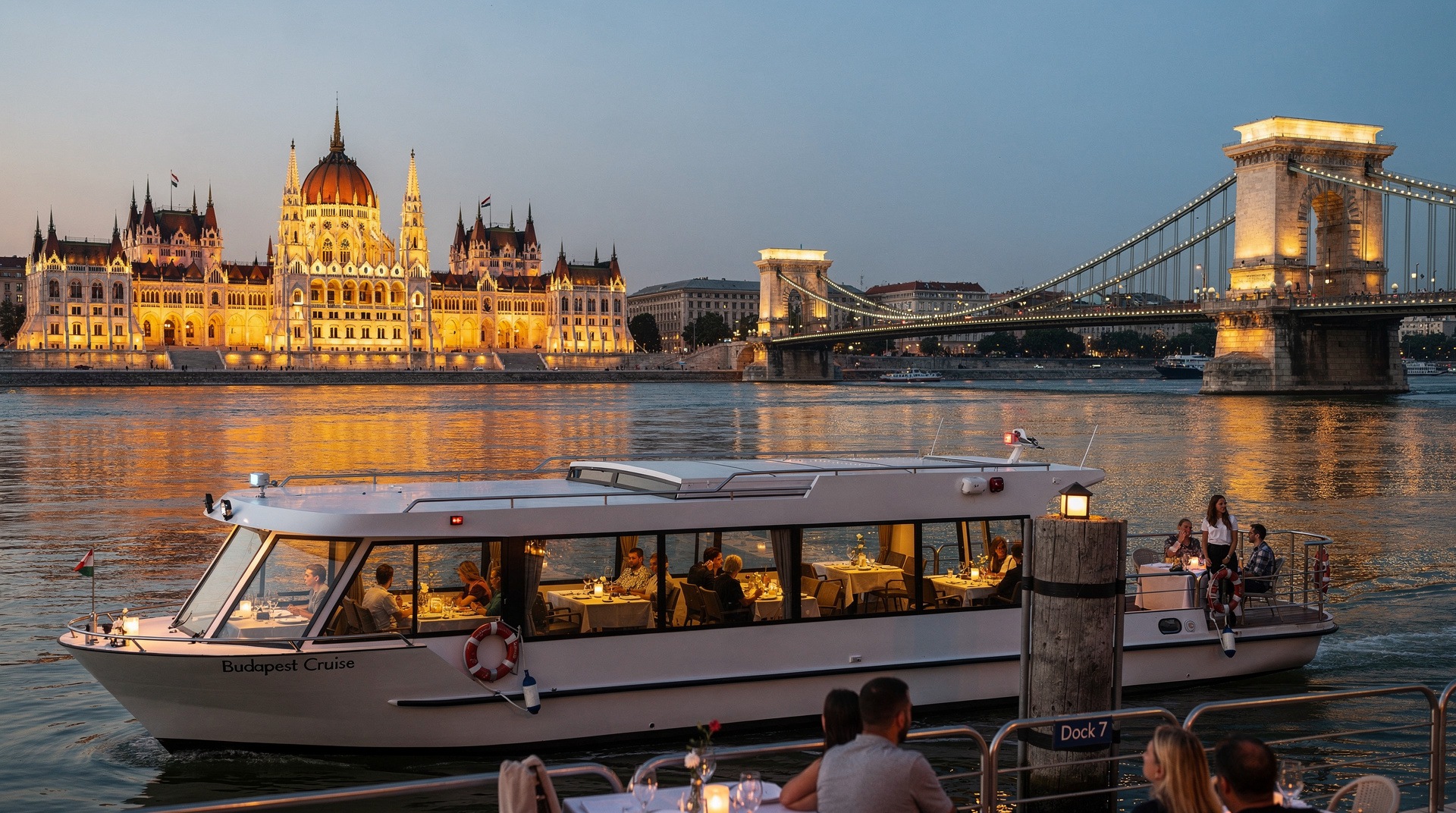
Families who prefer a change of scene can head back toward the centre and finish with a cruise, since a sightseeing cruise past the main riverside landmarks is a calm way to rest tired legs while still seeing the city. For other ways to spend a wet or tiring afternoon, best museums in Budapest lists indoor options that work well with older children.
The honest verdict
The Budapest Zoo is not Europe’s largest or most spectacular zoo — Vienna’s Tiergarten Schönbrunn has bigger enclosures and more species. But for a half-day family activity combined with other City Park attractions, it is excellent value and genuinely enjoyable. The Art Nouveau architecture alone distinguishes it from most European zoos.
For families spending 2–3 days in Budapest, the zoo-plus-Széchenyi day is reliably the easiest to execute and one of the most consistently enjoyed. See /itineraries/budapest-with-kids-3-days/ for how to structure the full family trip, and /guides/family-friendly-attractions/ for other options across the city. On a rainy day, swap the outdoor route for the indoor houses first — see the rainy day with kids guide for a fuller wet-weather plan, and getting around Budapest for transit logistics with a stroller.
Quick facts
| Detail | Info |
|---|---|
| Address | Állatkerti körút 6–12, District XIV |
| Metro | M1 to Széchenyi fürdő or Hősök tere |
| Adult entry | ~4,400 HUF (€11) |
| Child entry (3–14) | ~3,000 HUF (€7.50) |
| Under 3 | Free |
| Summer hours | 09:00–18:00/19:00 |
| Winter hours | 09:00–16:00 |
| Website | zoobudapest.com |
All prices approximate for 2026; verify at zoobudapest.com before visiting.
Frequently asked questions about Budapest Zoo and Botanical Garden
How much does the Budapest Zoo cost?
Adult tickets run approximately 4,400 HUF (€11) and children aged 3–14 pay around 3,000 HUF (€7.50). Under-3s are free. Budapest Card holders receive a discount. Prices are subject to seasonal adjustment — check the official site (zoobudapest.com) for current rates.What are the Budapest Zoo opening hours?
Opening hours vary by season. Summer hours (roughly May–September) run 09:00–18:00 or 19:00. Winter hours close earlier, around 16:00. The zoo is open every day of the year. Always check the current schedule on the zoo's website before visiting, as hours adjust around public holidays.Where is the Budapest Zoo located?
The zoo is at Állatkerti körút 6–12 in City Park (Városliget), District XIV. The nearest metro is Széchenyi fürdő on the M1 (yellow) line. It is a two-minute walk from Széchenyi Thermal Bath and five minutes from Heroes' Square.Does the Budapest Zoo have an aquarium?
The zoo does not have a large standalone aquarium. It has an aquarium section within the main zoo grounds. For a more aquarium-focused experience, the Tropicarium at Campona Mall (District XXII) is the better option — it features a shark tunnel and extensive tropical fish displays, though it is further from the city centre.Can I combine the zoo with Széchenyi Baths?
Yes — this is one of the most popular family combinations in Budapest. The zoo and Széchenyi are a two-minute walk apart. A practical approach: zoo in the morning (09:00–13:00), lunch at a park kiosk or nearby café, then Széchenyi from 13:00–17:00. Both are in City Park and require no additional transport.
Top experiences
Bookable activities with verified prices and instant confirmation on GetYourGuide.