Gödöllő day trip from Budapest: Queen Sisi's royal palace
Discover Gödöllő's Royal Palace, summer retreat of Empress Sisi and Emperor Franz Joseph, just 30 km from Budapest by suburban rail.

Quick facts
- Distance from Budapest
- ~30 km north-east
- Travel time
- ~35–40 min by HÉV suburban rail (line H8) from Örs vezér tere, direct
- Palace admission
- Full visit ~3 500 HUF (~€8.75); reduced for students; grounds free
- Opening hours
- Generally 10:00–18:00 (last entry 17:00); closed Mondays
- Currency
- HUF; major cards accepted at palace ticket desk
- Honest note
- The palace is a partial restoration — some wings remain unrestored and feel rough around the edges, which does not diminish the Baroque main hall and Sisi apartments
A royal retreat thirty minutes from Budapest
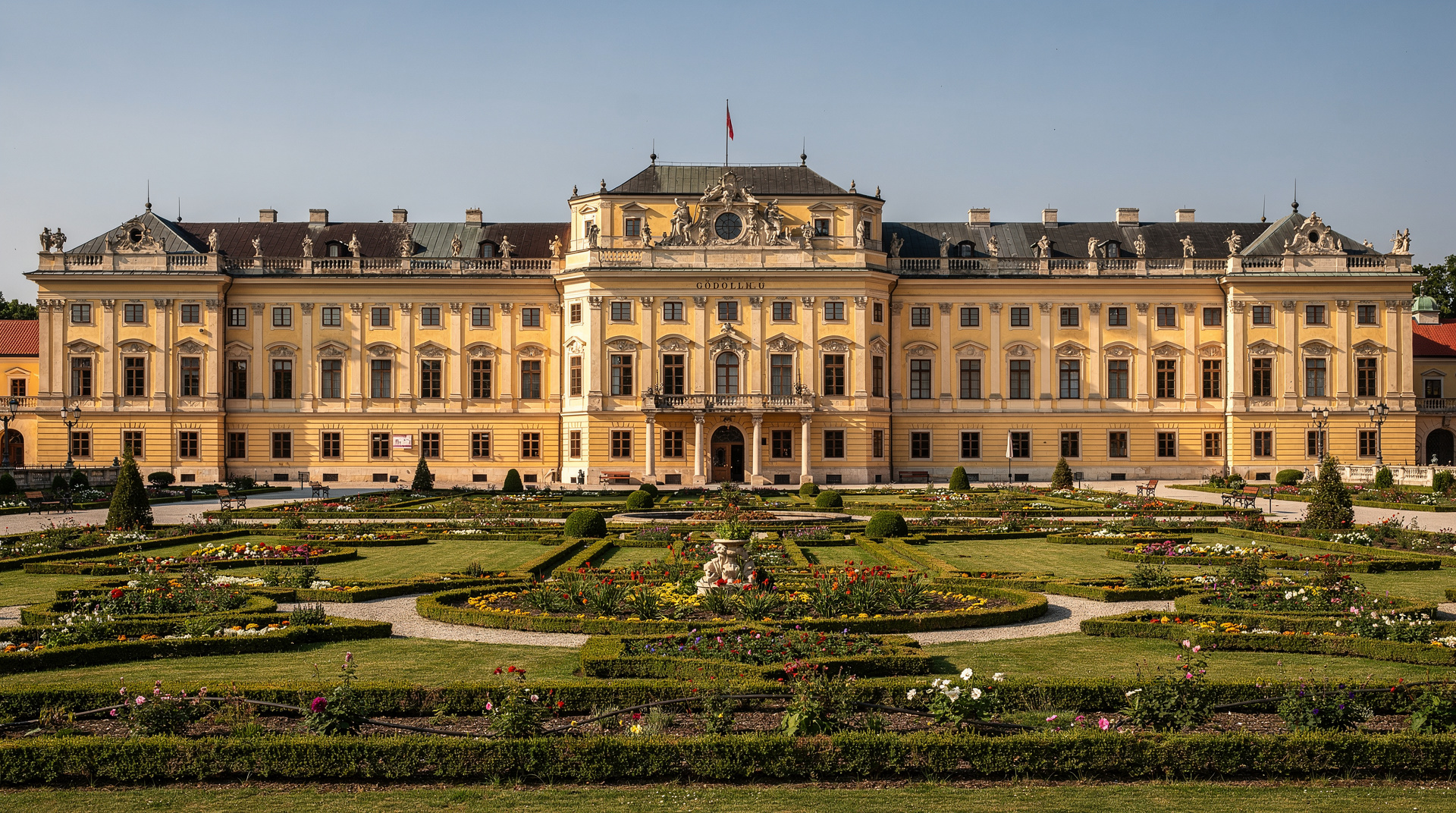
Gödöllő sits just 30 km north-east of Budapest and yet feels a world away from the capital’s tourist circuits. Its main draw — the Royal Palace of Gödöllő (Gödöllői Királyi Kastély) — is the largest Baroque palace in Hungary and one of the most significant Habsburg sites outside Austria. It was the favourite country residence of Empress Elisabeth of Austria, universally known as Sisi, who returned here year after year to ride, walk, and escape the ceremonies of the Vienna court.
Getting there is straightforward enough that you need no tour bus or car: the HÉV suburban rail line H8 runs directly from the end of Budapest’s metro M2 line, and the journey takes roughly 35 minutes. Gödöllő is the rare day trip where independent travellers and organized tour groups arrive with equal ease.
| Where | ~30 km north-east of Budapest |
| Cost | Full palace visit ~3 500 HUF; grounds free |
| Time needed | Half a day; 2–3 hours for the palace, plus the town |
| Getting there | HÉV line H8 from Örs vezér tere, ~35–40 minutes, direct |
| Best time | Spring and autumn for smaller crowds; closed Mondays |
The palace and its Baroque grandeur
The palace was built between 1733 and 1749 for Count Antal Grassalkovich I, a Hungarian aristocrat who was among the most powerful men in the Habsburg realm. The architect, András Mayerhoffer, designed a horseshoe-shaped Baroque complex that follows the great Central European palace tradition — formal symmetry, rendered facades in pale yellow ochre, a central chapel attached to the main wing — but on a scale that was meant to rival Vienna’s suburban palaces.
The Grassalkovich family sold the estate to the Hungarian state in 1867, the year of the Compromise (Ausgleich) that created the Austro-Hungarian dual monarchy. Franz Joseph and Elisabeth received it as a coronation gift from the Hungarian nation, which explains the particular bond between the palace and the royal couple. It became their shared country retreat, but it was Sisi who claimed it most fully.
Empress Sisi’s rooms — what the films don’t show you
The Romy Schneider films and the more recent Netflix series have made Sisi’s image familiar to millions, but the palace rooms go beyond that romantically simplified portrait. Her private apartments — decorated in the lilac she favoured — hold original furniture, personal toiletries, a gymnastic rings and bar arrangement (she was obsessive about physical fitness and kept a strict diet that horrified court observers), and display cases with personal correspondence and photographs.
The room dedicated to her riding outfits and equestrian equipment is particularly striking. She was considered one of the finest horsewomen of her age, and the Gödöllő grounds gave her space to ride without the public gaze she endured in Vienna. The park (now partially restored) still has wide riding paths that she would have used.
Franz Joseph’s rooms, by contrast, are a study in military understatement — simple furniture, hunting trophies, maps, and a spartan sleeping arrangement that reflects his rigorously disciplined personal style. The contrast between his quarters and Sisi’s tells you more about their marriage than any biography.
The communist chapter
One of the most interesting sections of the palace tour is the display on its 20th-century history. After the Second World War, the palace served successively as a Soviet military barracks, a sanatorium, and a state home for the elderly. Photographs and artefacts from these decades show the Baroque ceremonial rooms converted into hospital wards, the royal chapel used as a storage depot, and the formal gardens left to go to seed. The restoration that began after 1990 was painstaking and is still ongoing — some wings remain in rough condition and are not open to visitors. This honesty about what is and is not restored is actually refreshing, and the communist-era section is one of the most candid museum displays you will find in Hungary.
Guided tours versus going independently
The palace is navigable on your own with the audio guide (included in the ticket price in most ticket tiers), but a guided tour adds context that the audio guide cannot fully replicate — particularly around court protocol, the Habsburg family dynamics, and the Hungarian political significance of the Compromise.
The Gödöllő Sisi tour from Budapest is the most popular option: a half-day excursion that includes transport, guide, and palace entry, structured around Sisi’s story. For those who want a slightly broader historical sweep, the royal palace tour from Budapest covers more of the Grassalkovich era and the Habsburg court life more generally. If you prefer the story told through the eyes of Queen Elizabeth specifically, the Budapest to Gödöllő palace of Queen Elizabeth tour focuses tightly on Sisi’s relationship with the palace and Hungary.
If you go independently, buy your ticket at the palace desk (major cards accepted) and budget roughly 3 500 HUF (~€8.75) for the full visit including the Habsburg apartments and communist history wing.
For a slower, more personal visit, a private guided visit to Gödöllő lets you set the pace, linger in the rooms that interest you and skip the ones that do not. It suits families, small groups of friends and anyone who finds a larger group tour too hurried.
Before your first visit: what to expect inside
The palace is not a theme-park version of the Habsburg world. Rooms are furnished with a mix of original pieces and careful reconstructions, and the labelling is informative without being overwhelming. Expect a route that moves from ceremonial spaces to private apartments to the twentieth-century displays, so the visit has a natural arc. Wear comfortable shoes, because the route involves a good deal of standing and walking on historic floors.
If you have already seen the grand sights of the capital, such as the Buda Castle complex or the Hungarian Parliament, Gödöllő offers a different register: quieter, more domestic and far less crowded. It is a good way to understand how the Habsburg monarchs lived when they were not on public show. For the wider story behind the Compromise and the dual monarchy, the Hungarian history primer gives helpful background to read the evening before.
Building Gödöllő into a longer Budapest stay
Because the trip is easy and does not need much planning, it slots well into almost any itinerary. Travellers with a few spare days often place it on a slower morning after a busy evening, since there is no early coach to catch. If you are still deciding how to structure your time, the three-day Budapest overview and the Budapest and day trips week itinerary show where a half-day excursion fits comfortably alongside the city’s headline sights.
Visitors who prefer to keep things within the city on the first days can save Gödöllő for later in the trip, once the capital’s main attractions are ticked off. The first-time visitor guide is useful for deciding what to do first, and the Budapest weekend break shows how little time you can realistically spare for an excursion on a short stay.
Travelling with others
Gödöllő works well for mixed groups because the palace, park and town offer different things to different people. History enthusiasts can take their time in the apartments, while others may prefer the park or a coffee in the square. Families will find the open lawns a welcome break from the indoor rooms, and the Budapest with kids guide has more ideas for balancing sightseeing with children’s energy. Couples who enjoy royal stories may find the trip a good fit for a romantic Budapest itinerary, especially in the quieter seasons when the park is peaceful.
The town of Gödöllő
The palace understandably dominates, but the town itself has a pleasant main square (Szabadság tér) with outdoor café terraces, a Baroque Grassalkovich monument, and a few good lunch options. The restaurant Kastélyétterem near the palace gates serves solid Hungarian classics — pörkölt, stuffed peppers, and catfish paprikash — at prices noticeably lower than Budapest: expect 3 000–4 500 HUF (€7.50–€11) for a main with a glass of local wine.
The town also has a small Premonstratensian monastery (dating from the 18th century, still active) and a regional museum covering local agricultural history — neither is worth a detour alone, but they add pleasant texture to a slow afternoon walk after the palace.
Getting around once you are there
From the station the palace is a short walk, so there is no need for a taxi or any onward transport. The route passes through the centre of town, which makes it easy to pick out a café or lunch spot on the way back. If you are unsure how the suburban rail fits into the wider network, the Budapest metro guide explains the M2 line that connects to the HÉV terminus, and the public transport tickets guide covers how fares work across the city and beyond.
Keep your return plans flexible. The pleasure of the visit comes from not being rushed, and the frequent rail service means there is rarely a reason to cut the afternoon short. A relaxed pace also helps you absorb the story the palace tells, which is easy to miss when you hurry between rooms.
Practical tips
Getting there: HÉV H8 from Örs vezér tere (M2 terminus) — runs every 15–30 minutes. Single journey supplement beyond the Budapest city limit is about 290 HUF extra (check the BKK fare zones). Budapest Cards do not typically cover this supplement. No advance booking required.
When to go: The palace is open year-round except Mondays (generally 10:00–18:00, last entry 17:00). Summer brings the most visitors but the palace gardens are at their best then. Spring (April–May) and autumn (September–October) offer comfortable temperatures and thinner crowds. Christmas holiday period brings a decorated palace interior worth the extra visitors.
Photography: Interior photography is permitted in most rooms without flash. The ceremonial hall and Sisi’s apartments are the best-lit spaces.
Combine with: Gödöllő makes an efficient morning trip — arrive by 10:00, finish by 14:00, and be back in Budapest for afternoon sightseeing. Alternatively, combine it with a Danube Bend loop — Gödöllő is geographically separate from the Danube Bend destinations but tour operators sometimes combine them. See the best day trips from Budapest for comparisons across all regional options.
For a different flavour of Hungarian history after your palace visit, consider the House of Terror back in Budapest — the communist chapter at Gödöllő makes an excellent prologue to that darker 20th-century story.
Gödöllő versus other easy half-day trips
Budapest has several short, low-effort excursions that fit into a half-day without a car or an organized tour. Gödöllő’s HÉV connection makes it one of the simplest:
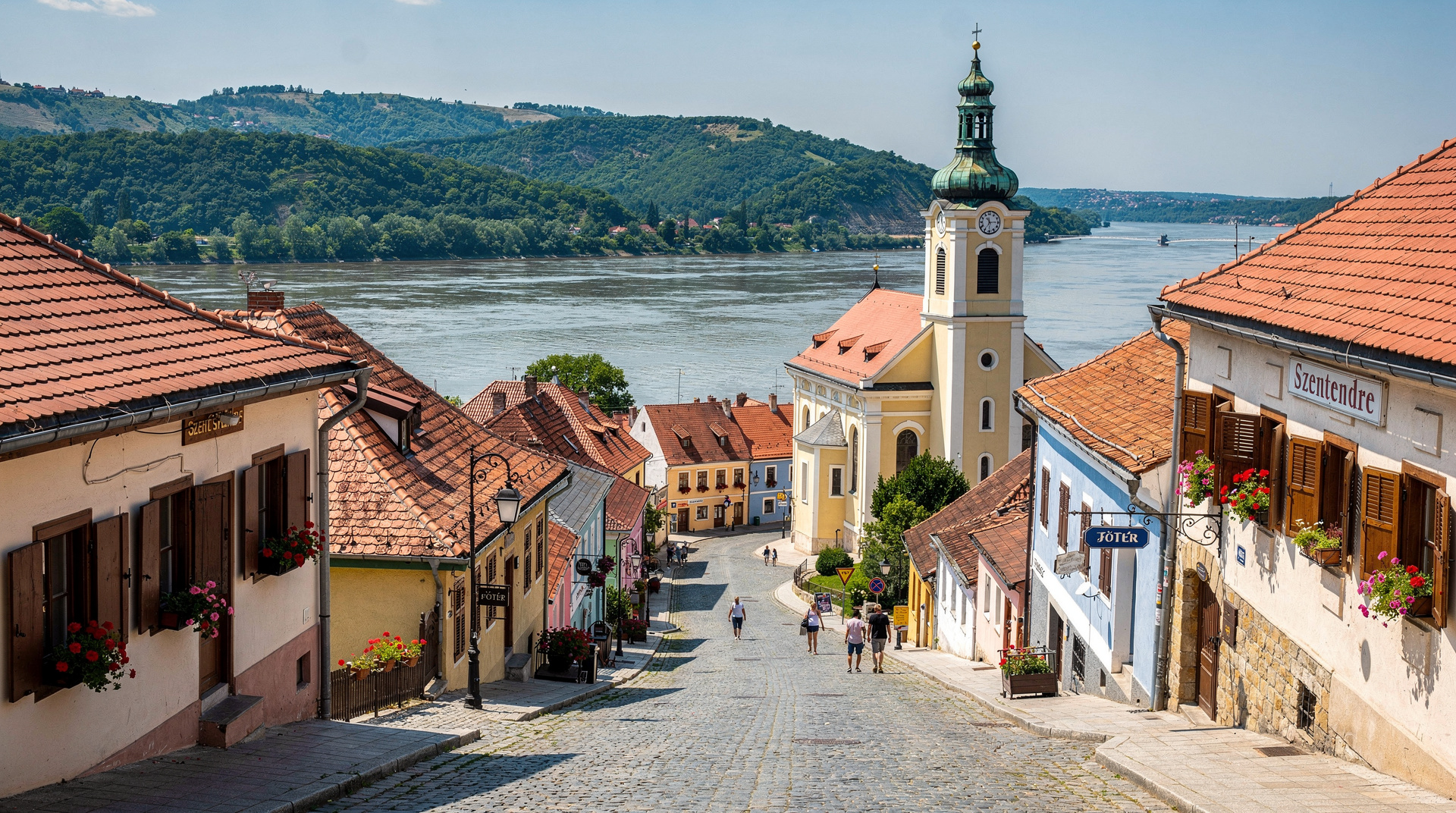
| Gödöllő | Esztergom | Szentendre | |
|---|---|---|---|
| Focus | Habsburg royal history, Sisi | Basilica, ecclesiastical grandeur | Arts, Serbian heritage |
| Travel time | ~35–40 min, direct HÉV | ~1.5–2 hrs by train | ~40 min, direct HÉV |
| Independent travel | Very easy | Moderate (occasional transfer) | Very easy |
| Best for | Habsburg/Sisi enthusiasts | Architecture and religious history | Art lovers, easy half-day |
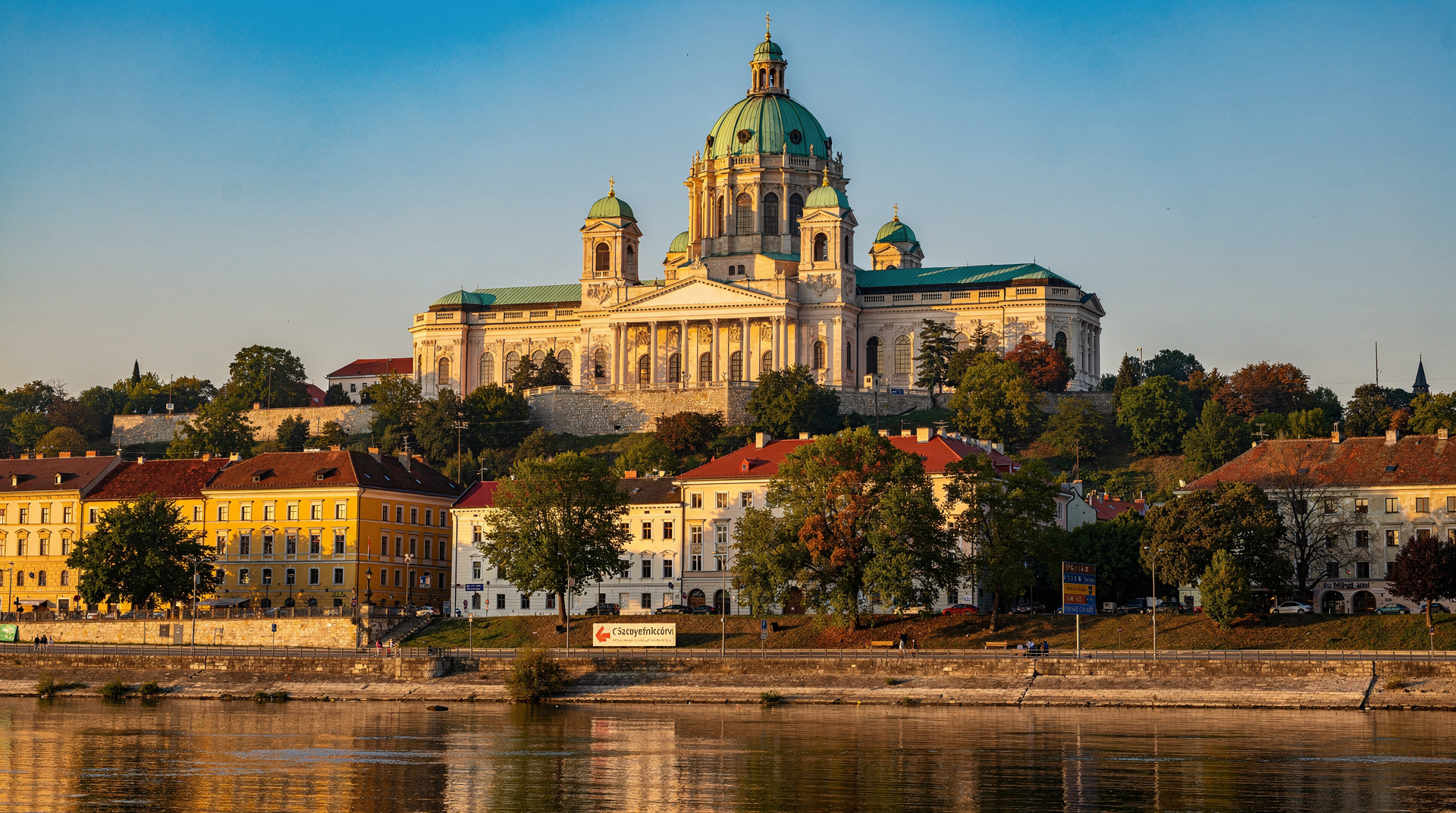
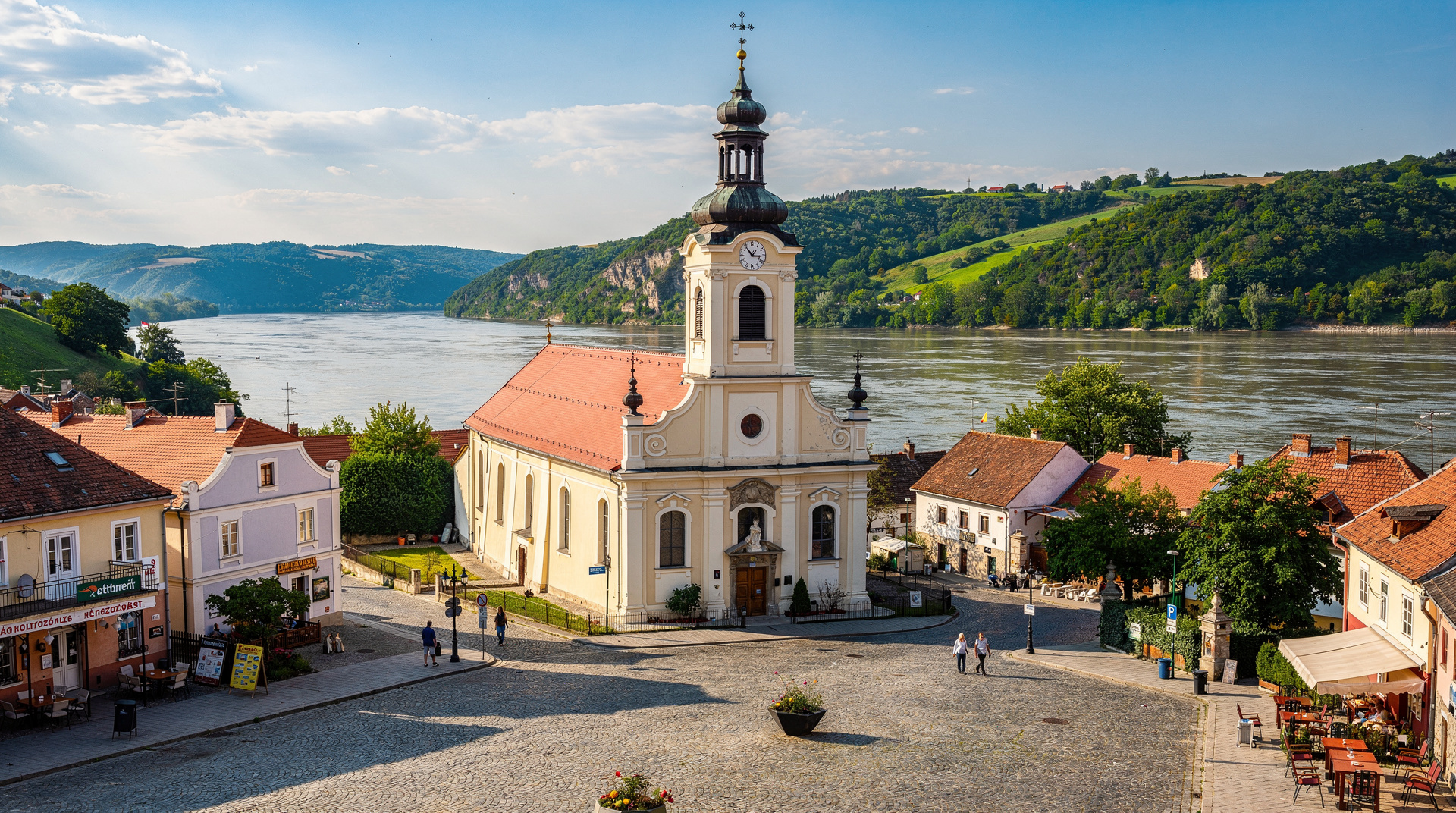
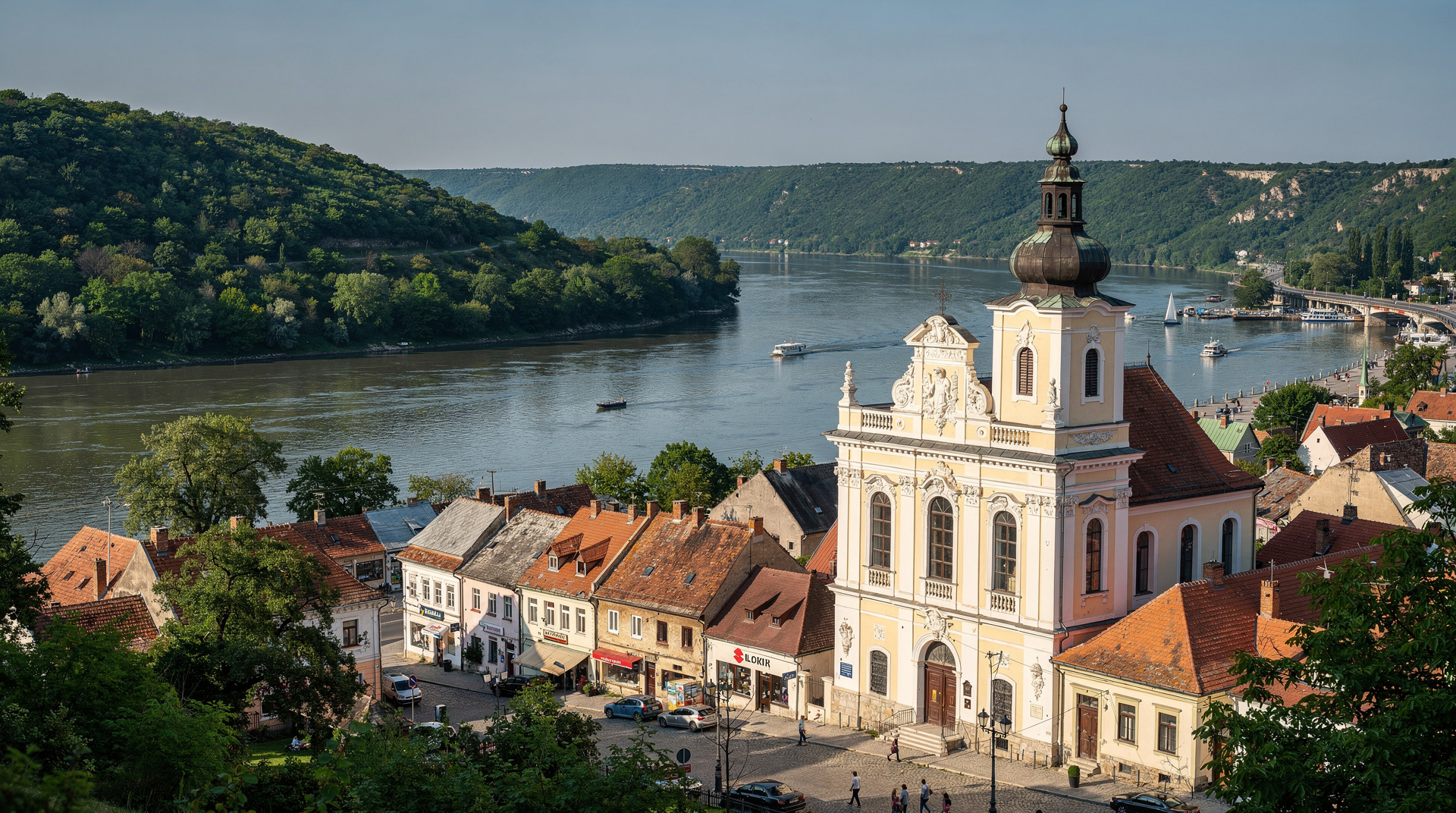
If your main interest is Habsburg-era history rather than church architecture, Gödöllő edges out Esztergom for convenience; if you want an artsy half-day instead, Szentendre is the closer comparison.
Top experiences
Bookable activities with verified prices and instant confirmation on GetYourGuide.